Rat and mouse article
Signs You Have Rats or Mice in Your House
Droppings are the clue most people find first. Night noises, gnaw marks, rub marks, hollowed fruit and burrows fill in the rest, and each one points to a particular rodent.
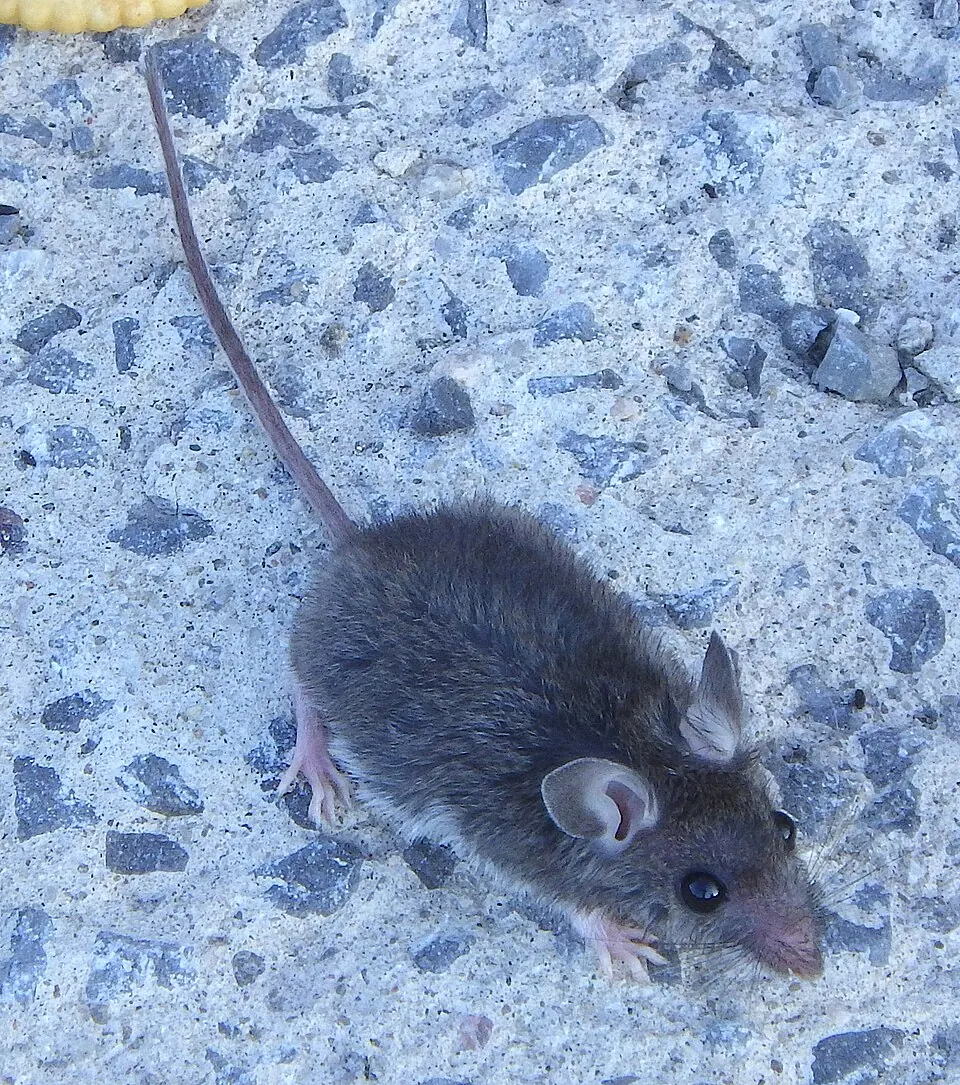
UF/IFAS says most people first notice a rodent problem by finding droppings. Noise at night is the other big giveaway, since rodents scratch, gnaw and fight after dark. In Fort Lauderdale, add one more: fruit hollowed out while it's still on the tree, which UF/IFAS calls the most common evidence of roof rats.
Here's what to look and listen for, and what each clue tells you about which rodent you have and where it lives.
Droppings
Droppings are the best clue because size and shape tell you which animal left them. UF/IFAS describes Norway rat droppings as about three-quarters of an inch long and capsule-shaped, roof rat droppings as up to half an inch and spindle-shaped, and house mouse droppings as about an eighth of an inch and rod-shaped. It adds that old droppings are gray and dusty and crumble, while fresh ones are darker.
Where you find them matters too. Droppings in the attic, on top of cabinets or along a ceiling beam point to roof rats. Droppings in the garage, along the outside wall or near the seawall can mean Norway rats. Kitchen drawers and under-sink cabinets usually mean mice. Rat vs mouse droppings goes deeper.
- About 3/4 inch, capsule-shaped: Norway rat
- Up to 1/2 inch, spindle-shaped: roof rat
- About 1/8 inch, rod-shaped: house mouse
Sounds at night
UF/IFAS notes that rodent sounds are usually heard at night or in quiet areas, and that rodents moving at night scratch, gnaw and fight. Young rodents often squeak in the nest. Roof rats in the attic sound like quick scurrying or light thumping overhead. Mice in the walls sound smaller, more like scratching or a soft rustle. Noise during the day points more toward squirrels.
If you hear steady gnawing, something is chewing wood, wire or duct material. That's worth a call soon. Rodent noises at night breaks the sounds down further.
Want a technician to look at it?
Your call goes to an independent local rodent control provider in Broward County. Same-day appointments are often available.
Gnaw marks and damage
Rats and mice gnaw all the time. UF/IFAS says fresh gnawing on wood is usually light-colored with sharp, splintery edges, while old gnawing has darkened. Look for chewed corners on food boxes, holes in pet food bags, gnawed wire jackets in the attic and torn duct wrap. In the garage, check stored seed, pool equipment covers and the insulation on the garage door.
Hollowed fruit on the tree
This one is very Broward. Roof rats eat mangoes, avocados and citrus right on the branch. UF/IFAS describes the damage on citrus as a circular hole about the size of a quarter or half dollar, with the fruit hollowed out behind it. If your fruit is being emptied from the inside while it hangs, you have roof rats in the yard, and the attic may be next. Palms, fruit trees and roof rats covers what to do.
Rub marks, runways and nests
Rats leave dark, greasy smudges along beams, pipes and the edges of openings they squeeze through again and again. In the attic you'll see paths flattened into the insulation. Nests are wads of shredded insulation, paper or fabric tucked into a corner or under an air handler. UF/IFAS also notes that undisturbed cobwebs or dust across a path means rodents aren't using it, which helps tell an old runway from an active one.
Burrows outside
Norway rats dig. UF/IFAS describes freshly dug dirt scattered in front of openings about 3 inches wide, with runways leading to them, as the classic burrow sign. In Fort Lauderdale, look along the slab edge, under sheds and AC pads, in planters and along seawalls. UF/IFAS adds that roof rats also burrow in canal banks and under sidewalks. Rat burrow and seawall treatment covers this.
Smells and pets
A musky, ammonia smell in a closet or the attic means urine. A sweet, rotten smell means something died, and dead rat removal is the next step. Dogs and cats often figure it out first. If your cat keeps staring at one spot on the ceiling, take it seriously.
Seeing one
UF/IFAS calls the sighting of a live rat a sure sign of infestation. Rodents stay hidden when they can, so one seen in daylight often means a crowded nest or a hungry colony. A rat on the fence at dusk or running a power line is common in Broward neighborhoods with big trees, and it tells you they're close to the roof.
What to do next
If you've found one or two of these signs, get a professional look. An inspection identifies the animal and the entry points. Don't sweep up droppings dry. The CDC says to air out the area for 30 minutes, wear gloves, soak droppings with disinfectant or a 1 to 9 bleach solution for 5 minutes, then wipe them up. Don't put out loose poison either, since a rat that dies in a wall creates a new problem.
Common questions
I only hear it sometimes. Is that normal?
Yes. Rats come and go, especially if they're feeding somewhere else. Intermittent noise still means they've found a way in.
Could it be a lizard or an iguana?
Lizards don't make much noise in an attic, and iguanas are big and mostly outside. Droppings settle it.
How do I tell fresh droppings from old ones?
UF/IFAS says old droppings are gray, dusty and crumble. Fresh ones are darker and softer.
Is gnawing on fruit always rats?
A neat hole about the size of a quarter with the fruit hollowed out behind it is the roof rat pattern UF/IFAS describes. Squirrels and birds tend to leave rougher damage.
Still hearing them?
Your call goes to an independent local rodent control provider in Broward County. Same-day appointments are often available.
Keep reading
Sources
- UF/IFAS Extension: Rat and Mouse Control (ENY-224)
- UF/IFAS Extension: Control of Roof Rats in Fruit Trees (SSWEC120)
- CDC: How to clean up after rodents
General information only, not legal or medical advice. Rules change, so check the linked sources for the current version.