Rodent Droppings Cleanup and Sanitizing in Fort Lauderdale
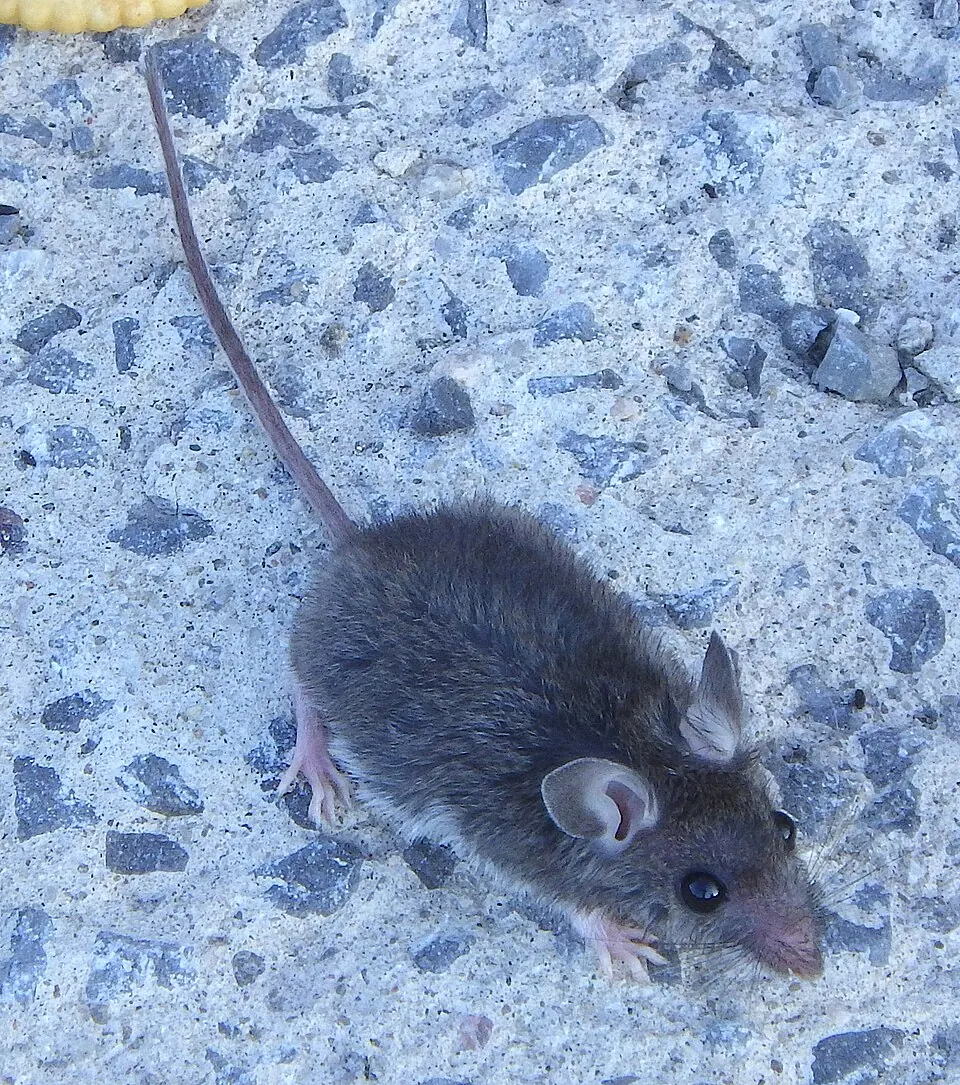
Droppings show up in the worst places: the pantry shelf, the silverware drawer, the bottom of a closet, the garage where the kids' bikes are. Rodent droppings and urine can carry germs, and the CDC says not to sweep or vacuum them because that stirs particles into the air.
This service covers cleanup in the living areas, garage and storage. Big attic jobs, where insulation may need to come out, are covered under attic cleanup. Either way, cleanup comes after the rodents are trapped and the gaps are sealed.
What people usually notice first:
- Droppings in drawers, cabinets, closets or along baseboards
- Urine stains or a sharp ammonia smell in a storage area
- Nests of shredded paper, fabric or insulation
- Grease smudges and droppings along garage shelves
What a thorough cleanup includes
The CDC's cleanup steps are the standard: air the space out for 30 minutes, wear gloves, soak droppings with disinfectant or a fresh bleach solution of 1 part bleach to 9 parts water, wait 5 minutes, then wipe and bag. Dead rodents and nests go in a sealed bag inside a second sealed bag. A provider doing this for you should follow the same rules and go further where needed:
- Soaking droppings, urine and nests before removal
- Bagging waste and contaminated items for disposal
- Disinfecting shelves, floors, drawers and cabinet bases
- Cleaning or discarding contaminated food and packaging
- Treating lingering urine odor in porous spots
Step by step
A typical droppings job goes in this order:
- Confirm the rodents are trapped out and the entry points are sealed
- Ventilate the space and clear out anything that can be thrown away
- Wet every dropping, urine stain and nest with disinfectant and let it sit
- Wipe up with paper towels and double-bag the waste
- Disinfect the surfaces, then the gloves, then wash hands
- Recheck in a few days for fresh droppings, which would mean activity is back
Noises in the ceiling after dark? Describe what you're hearing.
Your call goes to an independent local rodent control provider in Broward County. Same-day appointments are often available.
Why cleanup is trickier in Fort Lauderdale
Humidity keeps droppings and urine from drying out, so smells linger longer in closed cabinets and garages. Many homes keep the laundry and the water heater in the garage, right where mice nest. Pool equipment rooms and dock boxes collect droppings too. Condo pantries back up to shared walls, so droppings can show up on both sides.
There's also a native rodent to think about. The Florida Department of Health says hantavirus has been identified in cotton rats in Florida. Cotton rats live in tall grass and overgrown lots more than houses, but sheds and garages next to empty land can get them. The same wet cleanup method applies. Rodent diseases in Florida has more.
When to call instead of doing it yourself
A few droppings in one drawer is a job you can do with the CDC steps. Call when droppings cover a large area, when there's a dead rodent you can't reach, when a nest sits in a closet or crawl space, or when anyone in the home has a weak immune system or breathing problems.
What not to do
Most mistakes come from wanting the mess gone fast. Skip these:
- Sweeping or vacuuming dry droppings, which the CDC says not to do
- Using a shop vac in the garage or attic
- Cleaning bare-handed or without airing the space out first
- Leaving bagged waste in an open bin in the garage
- Cleaning before the rodents are trapped and the gaps sealed
Garages, closets and pool rooms
Garages are where most homeowners find droppings first, on shelves and around the water heater and dryer. Empty the shelves, throw out anything chewed, and clean the shelf and floor with the wet method before putting things back in sealed bins. In closets, launder soiled fabrics on hot and throw out shredded material. Pool equipment rooms and sheds should be aired out well before cleaning, since they're small and closed up.
Common questions
Can I vacuum mouse droppings?
No. The CDC says not to sweep or vacuum droppings, urine or nests, because it can put particles in the air. Wet them first and wipe them up.
What should I use to disinfect?
The CDC lists a household disinfectant or a fresh bleach solution of 1 part bleach to 9 parts water, left to soak for 5 minutes.
Do I need to throw out food?
Throw out anything in packaging that's been chewed or has droppings on it. Sealed cans can be washed.
How do I know the droppings are old?
UF/IFAS says old droppings are gray, dusty and crumble. Fresh ones are darker and soft.
Should cleanup happen before the rodents are gone?
No. Trap and seal first. Fresh droppings on a clean shelf are the best sign activity is back.
Need droppings cleanup & sanitizing in Broward?
Your call goes to an independent local rodent control provider in Broward County. Same-day appointments are often available.
Related reading
Areas served: Victoria Park, Las Olas, Rio Vista, Sailboat Bend, Tarpon River, Croissant Park, Harbor Beach, Coral Ridge, Imperial Point, Downtown & Flagler Village, Wilton Manors, Oakland Park, Plantation, Davie, Hollywood, Dania Beach, Pompano Beach, Lighthouse Point, Lauderdale-by-the-Sea, Coral Springs.