Broward local guide
Fort Lauderdale Trash, Yard and Property Rules That Affect Rats
Garbage carts, bulk piles, overgrowth and outdoor storage are where city rules and rat problems meet. Here's what Fort Lauderdale asks of residents, the code sections it cites, and the habits that keep rats off your lot.
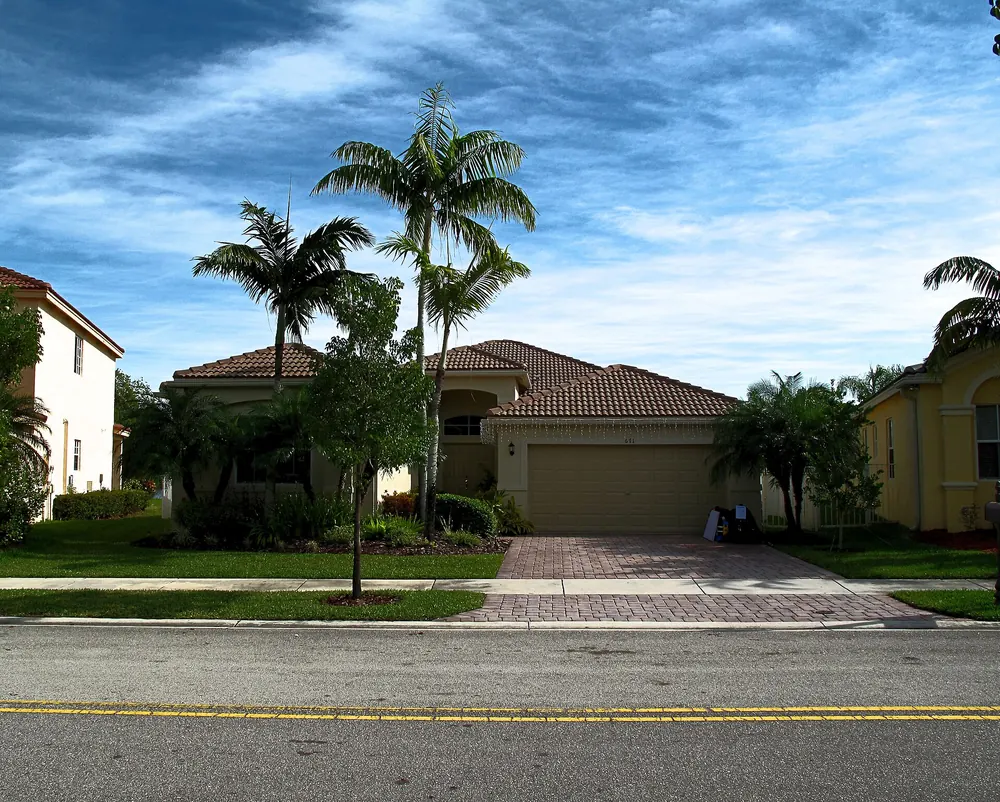
Rats need food and cover. Fort Lauderdale's trash and property rules happen to cut off both. The city collects household garbage twice a week from a 65-gallon black cart, asks residents to bag garbage before it goes in, and won't pick up garbage left beside the cart. Its code enforcement cases cite properties for carts left at the curb after collection, overflowing dumpsters, overgrowth and trash, and outdoor storage that may become infested by rodents.
This guide covers those rules and the code sections the city uses. It's general information, not legal advice. Other Broward cities have their own collection schedules and codes, so check yours if you live outside Fort Lauderdale.
Your garbage cart
The city's residential garbage page describes the 65-gallon black cart as being for household garbage and food waste. Collection happens twice a week between 7 a.m. and 7 p.m. The page asks residents to put garbage in bags before it goes in the cart, to set carts out the night before pickup because trucks may come as early as 7 a.m., and notes that garbage left beside carts won't be picked up. It also suggests washing carts with mild, phosphate-free soap, without letting soap run into storm drains.
For rats, the bag and the lid do most of the work. A cart full of loose food scraps with the lid propped open on an overstuffed bag is an open buffet. Bag everything, close the lid all the way, and wash out the cart if it smells. Ground-dwelling Norway rats are the ones that work trash, and rat control covers them.
Pull the cart back after pickup
Fort Lauderdale cites Sec. 24-27(b) when waste containers are left roadside overnight after collection day and not pulled back to an approved location. It shows up often on the city's special magistrate agendas. A cart left at the curb for days becomes a feeding station, especially if the lid doesn't close, and it signals the same to every rat on the block.
Want a technician to look at it?
Your call goes to an independent local rodent control provider in Broward County. Same-day appointments are often available.
Apartments and dumpsters
Multifamily properties get cited under Sec. 24-28 when the garbage service is inadequate for the building and under Sec. 24-29(a) when receptacles or dumpsters overflow and aren't maintained. One case on the 2021 agenda also cited a dumpster that wasn't stored properly after pickup. If you rent and the dumpster behind your building overflows between pickups, tell the owner in writing and report it to the city if it continues. Overflowing dumpsters feed Norway rats for the whole block.
Bulk trash and yard waste
The city collects bulk trash once a month. Its page says bulk piles, including tree trimmings, can be up to 10 cubic yards, and should sit at least four feet from waste carts, mailboxes, trees and power lines, without blocking storm drains. Appliances, furniture, carpet, mattresses and toys are accepted. Tires aren't, though the city runs a separate tire program. Branches and bagged or boxed leaves go out on bulk day. You can pay to schedule an earlier pickup.
Fort Lauderdale cases cite Sec. 24-7(b) when bulk trash goes out outside its scheduled date. From a rat's point of view, a couch and a pile of branches sitting at the curb for three weeks is a nest site. Put bulk out close to your collection date. The city's Property Information Reporter shows your day.
Overgrowth, trash and debris
The section the city cites most often for messy lots is Sec. 18-12(a). The case language on the 2021 agenda reads, over and over, that there is overgrowth, trash, rubbish and debris on the property and/or its swale. Swales count, so the strip between the sidewalk and the street is part of the job.
Tall grass, weeds and junk give rats cover to move between yards without being seen, and they hide burrows. Keep grass cut, pull weeds along fences and walls, and don't let yard waste pile up between bulk days.
Outdoor storage
Sec. 18-1 covers outdoor storage that creates a public nuisance. In the city's case descriptions, the language covers storage that is or may reasonably become infested or inhabited by rodents, vermin or wild animals, or may furnish a breeding place for mosquitoes. Cases on the 2021 agenda involved appliances, boards, cardboard boxes and other items stored under carports and around properties.
For rats, a carport stacked with boxes, an old fridge and a pile of lumber is ideal housing right next to your wall. Get stored items into a closed shed or garage, off the ground, or out of the yard. Garage rodent control covers keeping the garage itself clear of rodents.
Pools, vacant buildings and dead animals
The city also cites pools with stagnant water under Sec. 18-11(b), and requires vacant properties to be registered under Sec. 18-12.1(a). Unsecured vacant buildings are declared a nuisance under Sec. 18-7. Empty, neglected properties are common rat havens, so these are worth reporting. The city's compliance page also lists removal of dead animals from city rights-of-way and swales among its services.
Habits that keep rats off your lot
The rules cover the minimum. These habits go further:
- Bag all food waste and keep the cart lid fully closed
- Pull carts back the same day as pickup
- Feed pets indoors and bring bowls in at night
- Store bird seed, pet food and grass seed in metal cans
- Pick up fallen mangoes, avocados and citrus every day or two
- Keep compost in a closed bin and leave out meat and dairy
- Get stored items off the ground and away from the house
- Trim limbs and palm fronds back from the roof
When a neighbor is the problem
If rats are coming from a neighbor's overgrown yard, junk pile or overflowing dumpster, talk to them first if you can. If that doesn't work, report it to the city with the address and photos through LauderServ or 954-828-8000. How to report rats in Fort Lauderdale covers the process, including the rule that code inspectors can't act on anonymous complaints in most cases. Meanwhile, seal your own house. A rodent inspection shows where rats could get in.
Fruit trees, compost and bird feeders
No city rule covers your mango tree, but UF/IFAS says hollowed-out fruit is the most common sign of roof rats, and it advises keeping fruit trees isolated from fences, wires and other trees with lower branches off the ground. Pick fruit as it ripens and clear the drops. UF/IFAS also notes that sanitation has to be constant to work, and that yearly clean-ups do little for rodent control. A weekly habit beats a big cleanup once a year. Palms, fruit trees and roof rats goes tree by tree.
Common questions
How often is garbage collected in Fort Lauderdale?
The city says household garbage is collected twice a week, between 7 a.m. and 7 p.m., from the 65-gallon black cart.
Can I leave my cart at the curb?
The city cites Sec. 24-27(b) when containers are left roadside overnight after collection day. Pull the cart back after pickup.
When can I put out bulk trash?
Bulk is collected once a month. The city cites Sec. 24-7(b) for bulk set out outside its scheduled date, so check your day with the Property Information Reporter.
My neighbor's yard is overgrown and full of junk. What code covers that?
Fort Lauderdale cites Sec. 18-12(a) for overgrowth, trash, rubbish and debris on a property or its swale, and Sec. 18-1 for nuisance outdoor storage.
Does garbage left next to the cart get picked up?
No. The city's page says garbage left beside carts will not be picked up.
Still hearing them?
Your call goes to an independent local rodent control provider in Broward County. Same-day appointments are often available.
Keep reading
Sources
- City of Fort Lauderdale: Residential garbage collection
- City of Fort Lauderdale: Residential bulk waste collection
- City of Fort Lauderdale: Code enforcement special magistrate agenda, July 29, 2021
- City of Fort Lauderdale: Community Enhancement and Compliance
- UF/IFAS Extension: Rat and Mouse Control (ENY-224)
General information only, not legal or medical advice. Rules change, so check the linked sources for the current version.