Rat and mouse article
Which Rodent Do You Have? A Fort Lauderdale ID Guide
Roof rats, Norway rats, house mice and the native cotton rat each live and get in differently. Here's how to tell them apart, and from the squirrels and opossums people confuse them with.
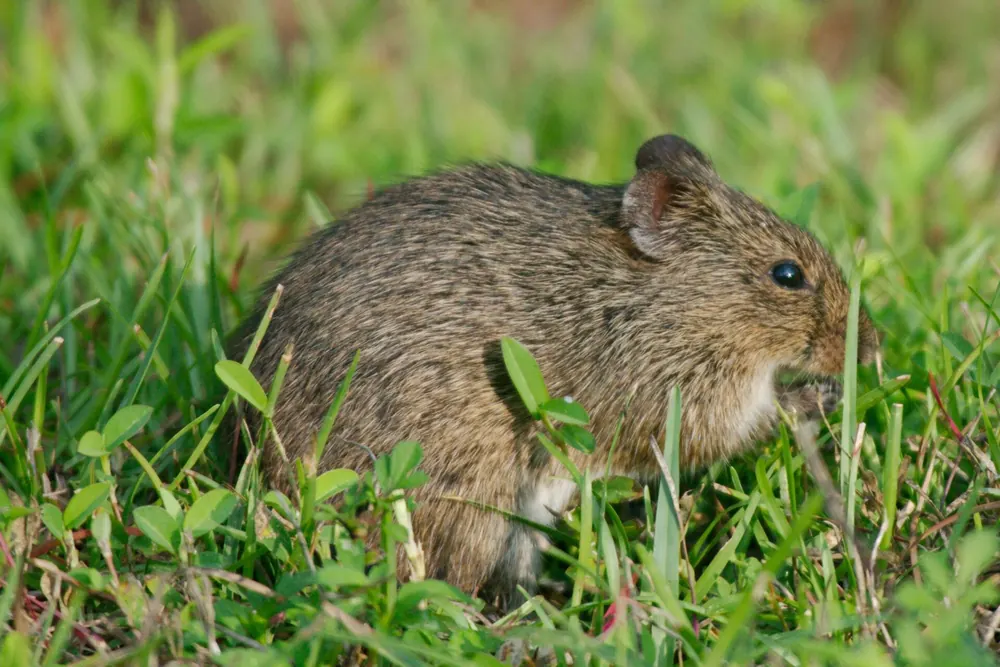
In a Fort Lauderdale attic, it's almost always a roof rat. Along a seawall or under a slab, it's usually a Norway rat. In a kitchen drawer or a condo cabinet, it's usually a house mouse. Tall grass next to an empty lot can hold a fourth rodent, the native hispid cotton rat.
The plan depends on which one you have. Roof rats live up high, so the work is at the roofline. Norway rats live on the ground, so it's burrows and slabs. Mice live close to food inside. Here's how to tell them apart.
Roof rat
The rat in most Broward attics. It's slender, black to grizzled gray or tan with a lighter belly, and its tail is longer than its head and body combined. It climbs well and nests off the ground. UF/IFAS lists attics, soffits, debris piles, hollow trees and the skirts of old palm fronds as nest sites, and adds that roof rats also burrow in canal banks and under sidewalks.
UF/IFAS says roof rats in Florida breed year-round, with peaks in spring and fall, and have 6 to 8 young per litter with up to 6 litters a year. Droppings are spindle-shaped and up to half an inch long. Hollowed fruit on the tree is the classic sign. See roof rat control.
Norway rat
Bigger and heavier, reddish brown, with a blunt nose, small ears and a tail about as long as the body or shorter. It burrows and stays on the ground. UF/IFAS says Norway rats live about a year, mature in 3 to 5 months, have 8 to 12 young per litter and up to 7 litters a year, and range 100 to 150 feet from home for food and water. Droppings are capsule-shaped and about three-quarters of an inch long.
In Fort Lauderdale, look for them along seawalls, docks, dumpsters and restaurant alleys. A waterfront lot can have both kinds: roof rats in the trees and attic, Norway rats along the seawall and under the dock. See rat control.
Want a technician to look at it?
Your call goes to an independent local rodent control provider in Broward County. Same-day appointments are often available.
House mouse
Small, gray-brown, with big ears and a thin, nearly hairless tail. It lives inside buildings near food: kitchens, pantries, garages and condo units. UF/IFAS says house mice mature in about six weeks, have 5 or 6 young per litter and up to 8 litters a year, and usually stay within 10 to 30 feet of their nest. They can get through cracks a quarter inch wide. Droppings are tiny and rod-shaped, about an eighth of an inch. See mouse control.
Hispid cotton rat
A native rodent with coarse, grizzled brown-gray fur, a blunt nose and a short tail. It lives in tall grass, overgrown lots, pasture edges and ditch banks more than in houses. You might see one in a yard next to an empty lot, along a canal bank, or in a barn or shed in western Broward. It's not the usual attic culprit.
It matters for one reason: the Florida Department of Health says hantavirus has been identified in cotton rats in Florida. Most human hantavirus cases have been in the western U.S., but clean up after any rodent in a shed or garage with the CDC's wet method, not a broom.
Side by side
The quick differences:
- Tail longer than the body, slim build, lives up high: roof rat
- Tail shorter than or equal to the body, heavy build, digs: Norway rat
- Small, big ears, droppings like dark grains of rice: house mouse
- Coarse grizzled fur, short tail, lives in tall grass: cotton rat
Young rat or mouse?
A young rat can be about the size of an adult mouse. Young rats have big heads and feet for their bodies and thicker tails. A mouse has a small head and delicate feet. If you're not sure, the droppings and where you find them usually settle it.
Animals people mistake for rodents
Squirrels in the attic make noise during the day, and their droppings are larger and rounder. Opossums aren't rodents and tend to den under decks and sheds. Iguanas are large lizards that live outdoors, though they can damage roofs and seawalls. Bats need a specialist. This line handles rats and mice only, but the technician can usually tell you what you have. If it's something else, call a wildlife removal company.
Common questions
Which rodent is most common in Fort Lauderdale homes?
Roof rats, in the attic and the trees. They match the palms, fruit trees and tile roofs here.
Can roof rats and Norway rats live in the same house?
They can share a lot, especially on the water, with roof rats up high and Norway rats on the ground. The droppings and where you find them tell you which you're dealing with.
Are cotton rats dangerous?
They rarely come indoors, but Florida DOH says hantavirus has been found in cotton rats in Florida. Clean up their droppings wet, with gloves.
How fast do mice multiply?
UF/IFAS says house mice mature in about six weeks and can have up to 8 litters a year of 5 or 6 young.
Still hearing them?
Your call goes to an independent local rodent control provider in Broward County. Same-day appointments are often available.
Keep reading
Sources
- UF/IFAS Extension: Rat and Mouse Control (ENY-224)
- UF/IFAS Extension: Control of Roof Rats in Fruit Trees (SSWEC120)
- Florida Department of Health: Hantavirus pulmonary syndrome
General information only, not legal or medical advice. Rules change, so check the linked sources for the current version.