Rat and mouse article
Palms, Fruit Trees and Roof Rats: A Fort Lauderdale Yard Guide
Roof rats nest in old palm fronds and eat fruit on the branch. Trimming, picking and isolating trees cuts off their food and their route to your roof.
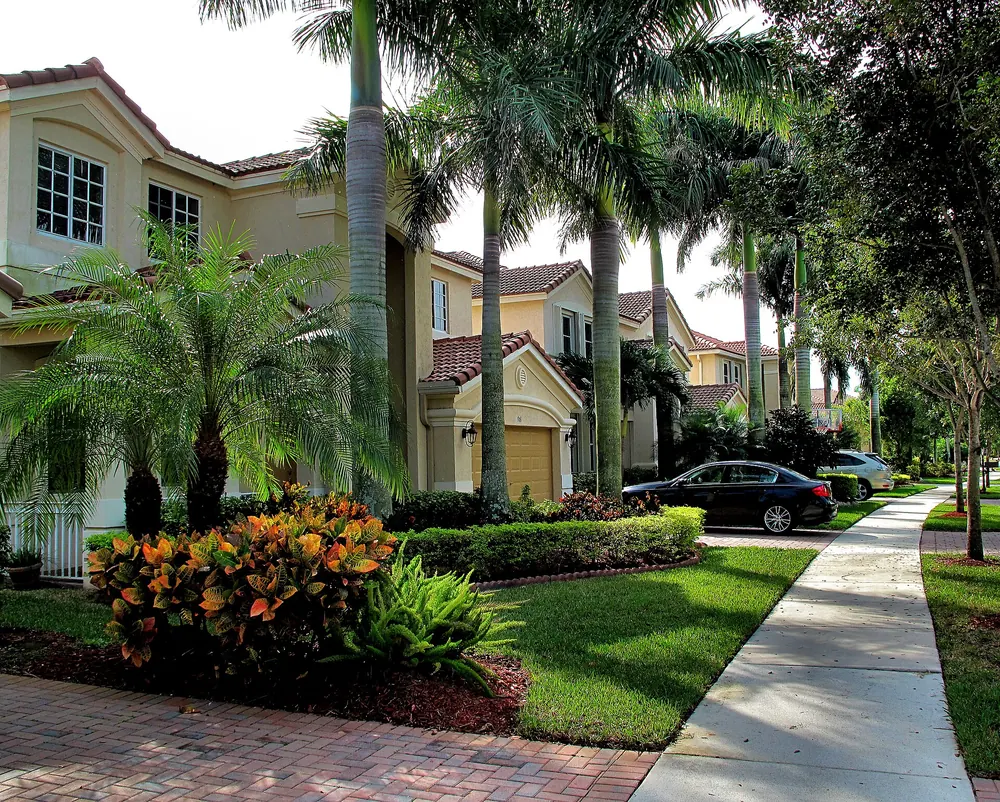
A lot of roof rat problems start in the yard. UF/IFAS lists the skirts of old fronds on palm trees among the places roof rats nest, and says hollowed-out fruit is the most common evidence of them. Broward yards are full of both, often planted right against the house.
Those plants give rats food, shelter and a path to the roof. Here's what to trim, pick and change, tree by tree.
Palms
The dense crown of a palm with a skirt of dead fronds hanging down is good shelter. UF/IFAS names old palm frond skirts as a roof rat nest site. If fronds reach the roof or the frame of the pool enclosure, the rats can walk across. Have dead fronds trimmed out, and keep the living ones from touching the house, the screen cage or the fence.
Coconut palms add food on top of the shelter. Fallen coconuts and seed pods on the ground feed rats too, so pick them up.
Mango, avocado and citrus
Roof rats prefer fruit. UF/IFAS describes their damage on citrus as a circular hole about the size of a quarter or half dollar, with the inside hollowed out while the fruit hangs on the tree. They do the same to mangoes and avocados. A loaded tree near the house can feed rats for months.
Pick fruit as it ripens and rake up drops every day or two. Don't let rotting fruit pile up under the tree. If you have more fruit than you can use, pick it anyway and give it away.
Want a technician to look at it?
Your call goes to an independent local rodent control provider in Broward County. Same-day appointments are often available.
Isolate the tree
UF/IFAS advises that fruit trees should be isolated, not touching fences, overhead wires or the branches of other trees, and that lower branches shouldn't touch the ground. For an isolated tree, it says rat guards on the trunk will keep rats out, though guards don't work if the tree touches anything else. That's a lot of trimming for a big old mango, but even partial isolation from the roof and fence helps.
Hedges, vines and ground cover
Thick ficus hedges, sea grape, vines on fences and dense ground cover next to the house give rats a place to hide and travel. Thin them out and leave a gap between plants and the walls. Vines growing up the house are a ladder to the roof. Clear leaf litter and palm debris from under shrubs, since UF/IFAS also lists debris piles as nest sites.
Bird feeders, pet food and garbage
Seed spilled under feeders is easy food. So is pet food left out overnight and garbage in a cart with the lid propped open. Store seed and pet food in metal containers, feed pets inside, keep cart lids closed and bag your garbage. Fort Lauderdale trash and property rules covers the city's cart and bulk rules.
Bait in the yard
UF/IFAS is clear on this: if poison bait is used outdoors, it must be in a tamper-resistant bait station, and it's illegal to place rodenticide where children, pets, livestock or wildlife can reach it. It also says wiring bait blocks to tree branches is illegal. If you're thinking about bait, talk to a provider. How to verify a Florida pest control license covers the current rules.
Repellents won't do it
UF/IFAS says there are no repellents registered for roof rats as a target pest. Trimming, picking, sealing and trapping are what work. Do rodent repellents work? goes into the products people try.
What to do this weekend
Walk around the house and look up. Anything touching the roof gets cut back. Pick ripe fruit and clean up drops. Move firewood, lumber and junk away from the house. Then look at the roofline for gaps. If you're already hearing rats inside, call for roof rat control and sealing.
- Cut limbs and fronds back from the roof and pool cage
- Trim dead frond skirts out of palms
- Pick ripe fruit and clean up drops
- Store seed and pet food in sealed metal cans
- Thin hedges and pull vines off the walls
Pool cages and screened lanais
Screened pool enclosures are everywhere in Broward, and palms are often planted right beside them. Rats run the top rail of the screen frame to reach the roof, and torn panels let them into the lanai, where they chew cushions, pool equipment covers and grill covers. Keep fronds trimmed back from the frame, patch torn screen, and bring cushions in if you see droppings on them.
Common questions
Should I cut down my mango tree?
Usually not. Trim it back from the roof, fences and wires, and keep up with the fruit. That handles most of the problem.
Do rats really live in palm trees?
Yes. UF/IFAS lists the skirts of old palm fronds among roof rat nest sites.
When are roof rats most active in Florida?
UF/IFAS says they breed year-round in Florida, with peaks in spring and fall, and are active at night.
Can I hang bait in the tree?
No. UF/IFAS says wiring bait blocks to tree branches is illegal. Outdoor bait must be in tamper-resistant stations.
Still hearing them?
Your call goes to an independent local rodent control provider in Broward County. Same-day appointments are often available.
Keep reading
Sources
- UF/IFAS Extension: Control of Roof Rats in Fruit Trees (SSWEC120)
- UF/IFAS Extension: Rat and Mouse Control (ENY-224)
General information only, not legal or medical advice. Rules change, so check the linked sources for the current version.