Rat and mouse article
Rat vs Mouse Droppings: How to Tell Them Apart
Mouse droppings are about an eighth of an inch and rod-shaped. Roof rat droppings run up to half an inch and are spindle-shaped. Norway rat droppings are about three-quarters of an inch and capsule-shaped.
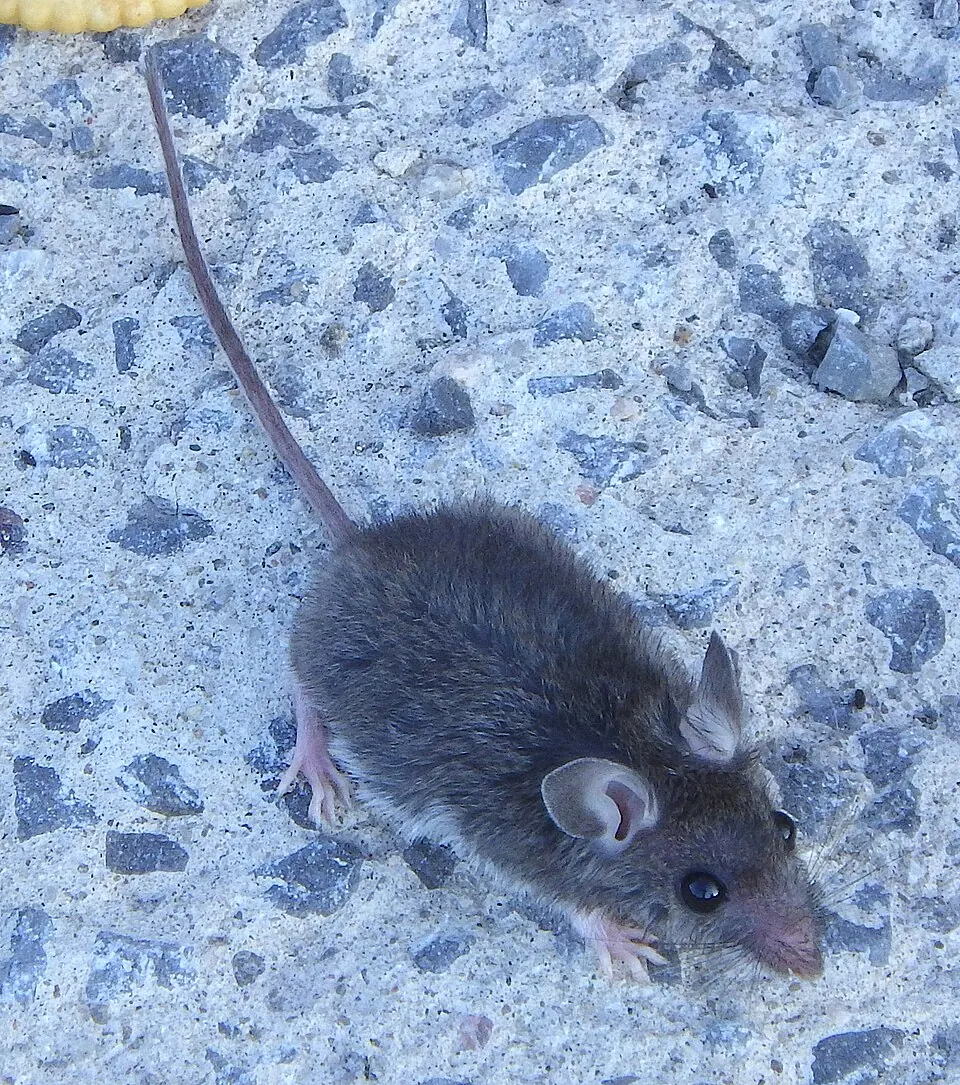
Size is the quickest test. UF/IFAS gives house mouse droppings as about an eighth of an inch long and rod-shaped, roof rat droppings as up to half an inch long and spindle-shaped, and Norway rat droppings as about three-quarters of an inch long and capsule-shaped. A mouse dropping looks like a dark grain of rice. A roof rat dropping is longer and tapers at both ends. A Norway rat dropping is bigger and blunter.
Where you find them, and whether they're fresh, tells you the rest.
Size and shape
Lay a coin or a ruler next to them and take a photo. That helps you and anyone you call.
- House mouse: about 1/8 inch, rod-shaped, often scattered in large numbers
- Roof rat: up to 1/2 inch, spindle-shaped with pointed ends
- Norway rat: about 3/4 inch, capsule-shaped with blunt ends
Where you find them
Location narrows it down. In Fort Lauderdale houses, droppings in the attic, on top of the air handler, along ceiling beams or on top of kitchen cabinets point to roof rats, which nest up high. Droppings along the base of garage walls, near the slab edge outside, by the dock box or around a dumpster point to Norway rats. Droppings in drawers, under the sink, in the pantry and along baseboards are usually mice.
UF/IFAS says house mice usually stay within 10 to 30 feet of their nest, while rats range 100 to 150 feet. So mouse droppings cluster close to the nest. Rat droppings can show up along a longer route.
Want a technician to look at it?
Your call goes to an independent local rodent control provider in Broward County. Same-day appointments are often available.
Fresh or old
UF/IFAS says old droppings are gray and dusty and crumble when pressed, while fresh ones are darker. If you clean an area completely and new droppings appear, activity is current. That's the simplest way to check whether trapping and sealing have worked.
What about the cotton rat?
Western Broward and lots next to fields and canal banks have the native hispid cotton rat. It lives in tall grass more than in houses but can turn up in sheds, barns and garages. The Florida Department of Health says hantavirus has been identified in cotton rats in Florida. If you find droppings in a shed next to open land, treat them with extra care and use the cleanup steps below.
Things that aren't rodent droppings
Lizard and gecko droppings are common on Florida patios and windowsills. They have a white tip, which rodent droppings don't. Cockroach droppings are much smaller, like specks of pepper, and often have ridges. Bat droppings crumble into shiny bits when pressed. If you're unsure, a technician can tell you on the first visit.
How to clean them up
The CDC's steps: open doors and windows for 30 minutes and leave the area while it airs out. Wear rubber or plastic gloves. Spray droppings and urine with a disinfectant or a fresh bleach solution of 1 part bleach to 9 parts water, and let it soak 5 minutes. Wipe up with paper towels and throw them in the trash. Don't sweep or vacuum droppings, urine or nests. Wash gloved hands, take off the gloves, then wash your hands with soap and warm water.
For a whole attic or a big garage mess, see droppings cleanup and sanitizing or attic cleanup.
What the droppings tell you to do next
Mouse droppings in the kitchen point to mouse control: traps along walls and sealing gaps under sinks and behind appliances. Roof rat droppings in the attic point to roof rat control and sealing the roofline. Norway rat droppings in the garage or yard point to rat control and checking for burrows. If you can't tell, a rodent inspection settles it.
Photograph before you clean
Before you clean up, take a few photos with a coin or ruler next to the droppings, and note where you found them. If you call a provider, those photos help them identify the rodent before the visit. Then clean up with the CDC method. If new droppings show up in the same spot a few days later, take another photo. That shows the problem is active, which matters for scheduling and for any landlord or HOA you're reporting to.
How many droppings is a lot?
A few droppings in one drawer can mean a mouse or two passing through. Droppings spread along a whole baseboard, in several cabinets, or in piles on top of the air handler mean an established population. Mice produce a lot of droppings, so numbers can look alarming fast. What matters more is whether new ones keep appearing after you clean.
Common questions
How big is a mouse dropping?
UF/IFAS gives about 1/8 inch, rod-shaped. Roughly the size of a grain of rice.
How big is a rat dropping?
UF/IFAS says roof rat droppings run up to 1/2 inch and Norway rat droppings about 3/4 inch.
Can I vacuum droppings?
No. The CDC says not to sweep or vacuum rodent droppings, urine or nests. Wet them with disinfectant first and wipe them up.
How do I know if the droppings are new?
Clean the area completely and check again in a day or two. UF/IFAS says old droppings are gray and crumbly. New ones are darker.
Still hearing them?
Your call goes to an independent local rodent control provider in Broward County. Same-day appointments are often available.
Keep reading
Sources
- UF/IFAS Extension: Rat and Mouse Control (ENY-224)
- CDC: How to clean up after rodents
- Florida Department of Health: Hantavirus pulmonary syndrome
General information only, not legal or medical advice. Rules change, so check the linked sources for the current version.