Rats and Mice in Fort Lauderdale Condos, Apartments and Townhomes
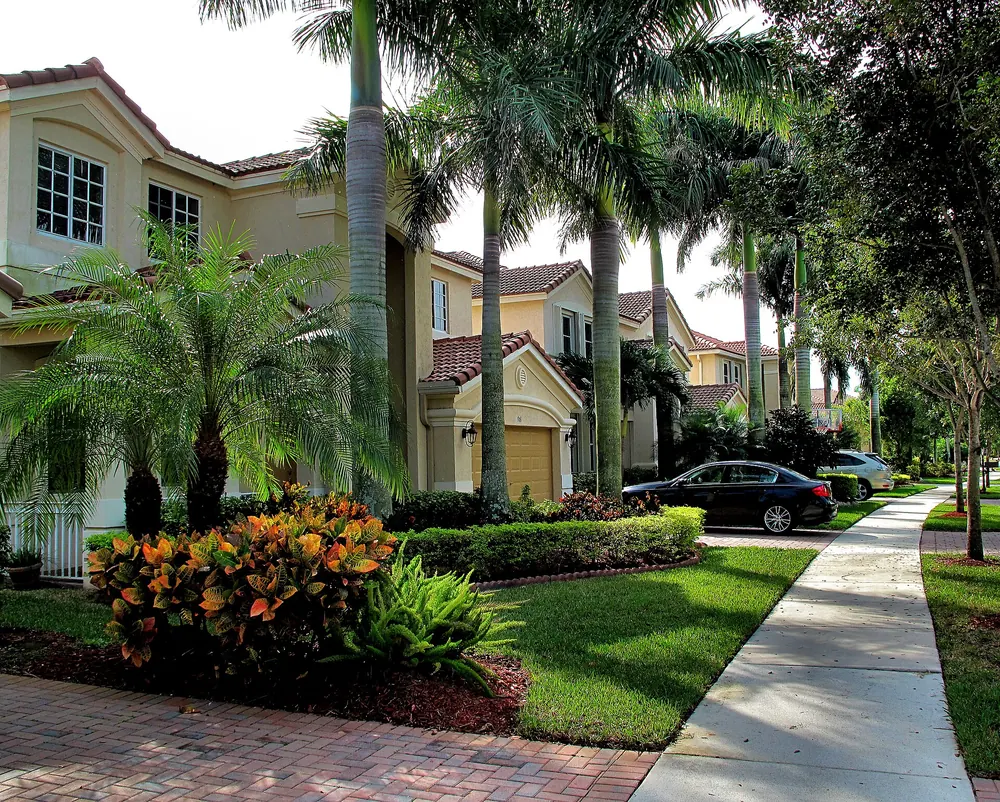
A lot of Fort Lauderdale lives in shared buildings: high-rise condos on the beach and downtown, garden apartments, and rows of townhomes under one long roof. Rodents in these buildings travel through pipe chases, electrical runs, trash chutes and connected attics. Seeing a mouse in your unit often means the problem started somewhere else.
You can still call from a single unit. The technician can trap and seal your space. It works better when the building is part of the plan, and in many Florida apartment buildings the law puts extermination on the landlord. Tenant and landlord rodent rules explains how that works.
What people usually notice first:
- Droppings under the kitchen sink or behind the refrigerator
- Noises inside a wall shared with another unit
- Neighbors mentioning the same thing
- Activity near the trash room or chute
Who handles what
Every association is different, so read your documents or call the manager. Usually the inside of your unit is yours, and common areas like trash rooms, hallways, roofs and the shared attic of a townhome row belong to the association. Renters should tell the landlord in writing. Florida Statute 83.51 requires landlords of most units other than single-family homes and duplexes to make reasonable provisions for extermination of rats and mice, unless the lease says otherwise in writing.
- Unit owner or renter: your kitchen, closets and the gaps inside your walls
- Association or landlord: trash rooms, chutes, roofs, common attics and the grounds
- Both: coordinating so the whole building is done at once
What a thorough building job includes
The best results come when the provider can work the unit and the common areas in the same visit. Ask for these:
- Inspection of the unit plus the trash room, chute and any shared attic or chase
- Traps inside the unit along walls and behind appliances
- Sealing pipe and wire openings under sinks and behind cabinets
- Locked bait stations or traps in common areas, if the association approves
- A written report the association or landlord can act on
Noises in the ceiling after dark? Describe what you're hearing.
Your call goes to an independent local rodent control provider in Broward County. Same-day appointments are often available.
Step by step
For a unit owner or renter, this order works best:
- Report the problem to management in writing, with dates and photos
- Ask what the building's pest program covers and when it next visits
- Have your unit inspected and sealed, and keep the report
- Share the report with management and ask about the neighboring units and trash room
- Keep food sealed and trash out daily until activity stops
Why shared buildings are harder in Fort Lauderdale
Townhome rows are the trickiest. Many have attics separated by thin firewalls with gaps at the top, or no real separation at all. Roof rats move from one end of the row to the other, and sealing your section while the neighbor's tile ends stay open won't hold. Beach and downtown towers have trash rooms on each floor, ground-floor restaurants and parking garages, all of which feed mice.
Older garden apartments, common in Wilton Manors and Oakland Park, often have shared attics over several units and dumpsters close to the buildings. Fort Lauderdale's code cases include overflowing dumpsters and inadequate garbage service at multifamily properties. Fort Lauderdale trash and property rules covers what owners are expected to do.
Tips for boards and property managers
Associations get the best results with a standing contract that covers the trash rooms, chutes, garage, grounds and roofline, plus a simple way for owners to report activity. Ask the provider for a device map and visit reports, and share a summary with owners so they know what's being done.
When one unit reports mice, check the units on either side and above and below. Rodents in a building follow the plumbing stack, so a cluster of reports along one stack points to a shared chase. Trim landscaping back from the building and keep palms off the roof of low-rise buildings and townhome rows.
Common questions
My landlord won't do anything. Can I call?
Yes. You can arrange service for your unit. Keep records of what you find and send them to your landlord in writing.
Can the association require all units to be treated?
That depends on the association's rules. Ask the manager or board.
Do I have to leave my apartment for rodent work?
Usually not. Florida Statute 83.51 says that if a tenant must vacate for extermination, the landlord must give 7 days' written notice, abate rent, and the stay away can be no longer than 4 days.
Who pays in a duplex?
Single-family homes and duplexes are treated differently under Florida law. Check your lease, and talk to the landlord in writing.
Mice on the 15th floor. How?
They travel through utility shafts and chases and arrive in deliveries. Trash rooms on each floor give them food all the way up.
Need condo & apartment rodents in Broward?
Your call goes to an independent local rodent control provider in Broward County. Same-day appointments are often available.
Related reading
Areas served: Victoria Park, Las Olas, Rio Vista, Sailboat Bend, Tarpon River, Croissant Park, Harbor Beach, Coral Ridge, Imperial Point, Downtown & Flagler Village, Wilton Manors, Oakland Park, Plantation, Davie, Hollywood, Dania Beach, Pompano Beach, Lighthouse Point, Lauderdale-by-the-Sea, Coral Springs.