Commercial Rodent Control in Fort Lauderdale
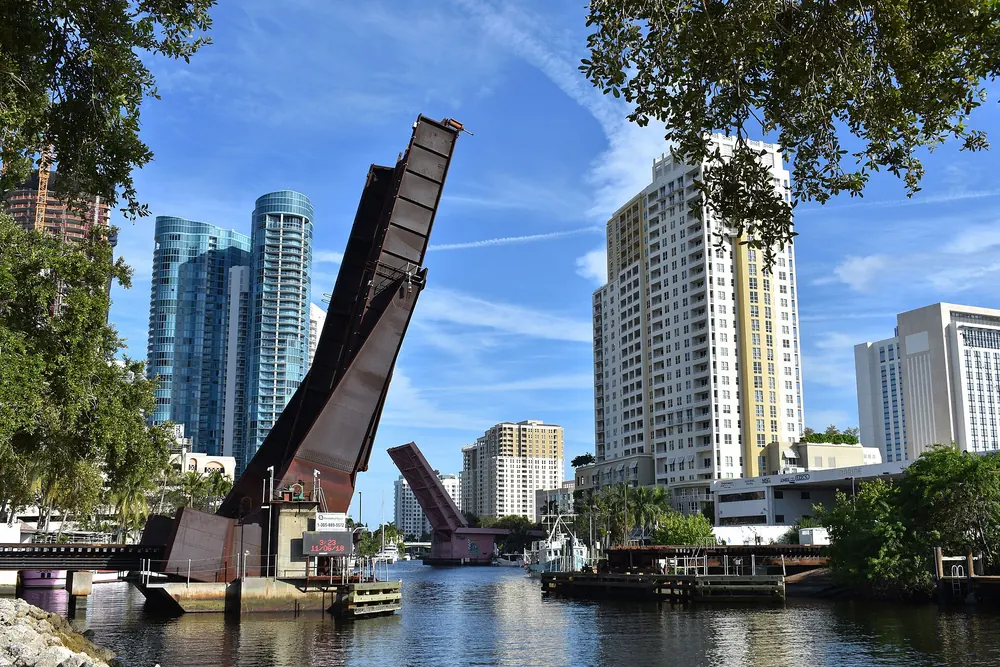
A business with rats has more at stake than a homeowner. Customers notice, tenants complain, and stock gets chewed. Shops on the busy corridors, marinas along the New River and the Intracoastal, offices downtown and warehouses near the port and the airport all deal with Norway rats on the ground and roof rats in the landscaping.
Commercial work tends to be ongoing. A provider sets up a program, visits on a schedule, keeps a service log and adjusts as things change. Restaurants have their own page because state inspectors hold them to a stricter standard: see restaurant rodent control.
What people usually notice first:
- Droppings in storage rooms, behind equipment or along back walls
- Gnawed packaging or bags on low shelves
- Rats seen near dumpsters at closing time
- Burrows in planters or along the building slab
What a thorough commercial program includes
The provider starts with a full inspection of the building and the property line. Then they place devices: locked bait stations outside along the walls and fence, and traps inside where goods are stored. Each device gets numbered and logged. Visits happen on a set schedule, and the technician records what they find.
- Exterior bait stations, locked and anchored
- Interior traps in storage, utility and break rooms
- A device map and a written service log for managers
- Sealing of doors, loading docks and roof penetrations
- Notes on sanitation problems the staff can fix
Step by step
Most commercial accounts start like this:
- Walk-through of the building, roof, loading area, dumpster pad and landscaping
- Written proposal with device locations, visit frequency and sealing work
- Devices installed and numbered, openings sealed
- Scheduled visits, often before opening or after closing
- Service reports after each visit, with any trend in activity
Noises in the ceiling after dark? Describe what you're hearing.
Your call goes to an independent local rodent control provider in Broward County. Same-day appointments are often available.
Why commercial sites are harder in Fort Lauderdale
Strip centers and mixed-use buildings share walls, ceilings and dumpster enclosures. Rats move between units. If only one tenant has a program, the problem shifts next door and comes back. Talk to the property manager about treating the building as one job.
Marinas and boatyards add water, bait, fish scraps and stored gear on the ground. Lush landscaping around office parks gives roof rats cover right up to the roofline. And Fort Lauderdale code cases show the city cites overflowing dumpsters and dumpster enclosures in disrepair, so the trash side is a code issue as well as a rat issue.
Dumpsters and grease
Most commercial rat problems start at the trash. Keep dumpster lids closed, get spills cleaned, and make sure the hauler empties on schedule. Grease bins and cardboard piles draw rats too. A clean enclosure does more than any number of bait stations. Homes behind busy commercial strips often get Norway rats from these spots.
Marinas, boatyards and waterfront businesses
Fort Lauderdale has a lot of businesses on the water: marinas, dry stack storage, boatyards, fuel docks and waterfront offices. Each has the same ingredients rats look for. Bait and fish scraps on the docks, gear and pallets stored on the ground, dumpsters near the water and seawalls with voids behind them.
A program for a marina usually covers the land side with stations along the seawall and buildings, plus traps in ship stores and offices. Boats themselves are the owners' responsibility, so marina managers often post rules about food, bait and open hatches. Ask the provider how they'll handle shared docks and tenant spaces, and who gets the service reports.
Choosing a provider for a business
Ask for the business license, the certified operator's name and a certificate of insurance before signing. Ask how often they'll visit, what the reports include and what happens between visits if staff see a rat. A contract that never mentions sealing openings is a red flag. How to verify a Florida pest control license lists what to check.
Common questions
Will I get paperwork for inspectors or insurers?
Most commercial providers keep service reports and a device map. Ask what their reports include before you sign.
Can service happen after hours?
Many commercial providers schedule visits before opening or after closing. Ask when you call.
How often should a provider visit?
It depends on the site and the activity. Food handling, waterfront and heavy trash usually mean more frequent visits.
Do HOAs and condo associations count as commercial?
Often, yes. Common areas, trash rooms and grounds are usually handled as a contract account.
Should the provider carry insurance?
Florida Statute 482.071 sets insurance minimums for licensed pest control businesses. Ask for a certificate naming your business.
Need commercial rodent control in Broward?
Your call goes to an independent local rodent control provider in Broward County. Same-day appointments are often available.
Related reading
Areas served: Victoria Park, Las Olas, Rio Vista, Sailboat Bend, Tarpon River, Croissant Park, Harbor Beach, Coral Ridge, Imperial Point, Downtown & Flagler Village, Wilton Manors, Oakland Park, Plantation, Davie, Hollywood, Dania Beach, Pompano Beach, Lighthouse Point, Lauderdale-by-the-Sea, Coral Springs.