Rat and mouse article
How to Get Rid of Rats in Fort Lauderdale
Identify the rat, take away food, trap along the runways, seal the gaps with metal and trim trees off the roof. In Broward, skipping the sealing step is why rats come back.
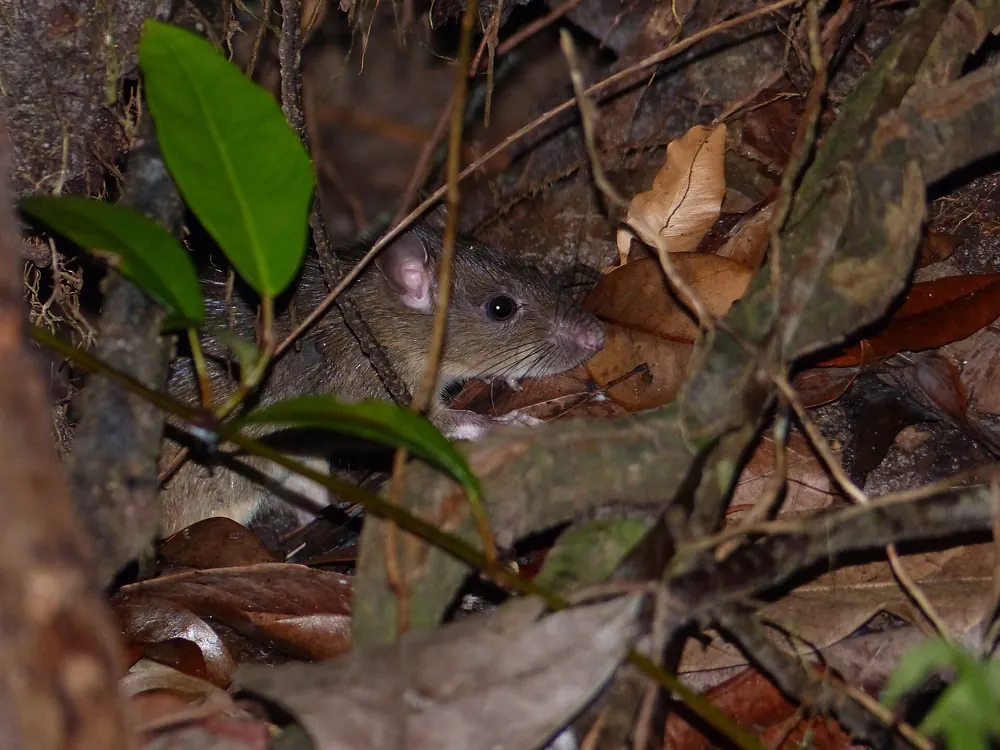
Getting rid of rats in Fort Lauderdale comes down to four things done together: take away food, trap the rats already inside, close the gaps they use, and cut the trees and fronds that lead them to your roof. Traps alone catch rats. Sealing and trimming are what stop new ones from replacing them.
Most Broward rat problems are roof rats in the attic, so that's where this guide puts its weight. If yours are burrowing in the yard or along the seawall, the same ideas apply at ground level.
Figure out which rat you have
Roof rats are slim with tails longer than their bodies, nest up high and leave spindle-shaped droppings up to half an inch long. Norway rats are heavier, dig burrows and leave capsule-shaped droppings about three-quarters of an inch long. UF/IFAS says Norway rats in Florida are most common along sea coasts and canals, which describes a lot of Fort Lauderdale. Noise overhead means roof rats. Holes along the slab or seawall mean Norway rats. The species guide has photos and details.
Cut off the food
UF/IFAS says sanitation has to be constant to work, and that once-a-year cleanups don't do much for rodent control. Rats here eat fruit on the tree, seed under feeders, pet food on the patio and anything in a garbage cart with the lid propped open. Do these every week, not once:
- Pick fruit as it ripens and rake up drops every day or two
- Bring pet food and water bowls in at night
- Store bird seed, pet food and grass seed in metal cans
- Bag garbage, close the cart lid and pull the cart back after pickup
- Clean the grill and don't leave fish scraps or bait on the dock
Want a technician to look at it?
Your call goes to an independent local rodent control provider in Broward County. Same-day appointments are often available.
Trap the right way
Snap traps are the standard tool. UF/IFAS recommends peanuts or peanut butter as bait for rats and mice, replaced often because it goes rancid, and setting traps at right angles to rat runways. It also says rats are cautious and may take a week to approach a trap, and that you don't need gloves, since rats are used to human smells. In the attic, put traps along the paths flattened into the insulation and along beams with rub marks.
Outdoors, UF/IFAS advises setting rat traps only from dusk to dawn so you don't catch birds and other animals, and placing a board over the trap. Leave traps in the same spot for at least a week before moving them. Best rat traps covers the options.
Skip the loose poison
Poison inside a house usually means a rat dies inside a wall and the smell lasts for days. Outdoors, UF/IFAS says poison bait must be in a tamper-resistant station and that it's illegal to place it where children, pets, livestock or wildlife can reach. Consumer products must come with a bait station under EPA rules. If bait is part of the plan, let a licensed provider handle it.
Seal the roofline
UF/IFAS says rats can squeeze through cracks half an inch wide. On a Broward house, those cracks are open barrel tile ends at the eave, torn soffit screen, gable vents, AC line holes and gaps where additions meet the original roof. Close them with sheet metal, hardware cloth or mortar, not foam. If you're not comfortable on a ladder or a tile roof, that's the part to hire out. Rodent exclusion explains the job.
Trim the trees
UF/IFAS advises isolating fruit trees from fences, wires and other trees. At minimum, get every limb and frond off the roof and the pool cage. Roof rats travel along branches, fences and power lines, and a fresh seal next to a palm frond gets chewed. Palms, fruit trees and roof rats goes tree by tree.
Clean up safely
Once the traps stay empty, clean the droppings using the CDC method: air the space out for 30 minutes, wear gloves, spray droppings with disinfectant or a fresh 1 to 9 bleach solution, let it soak 5 minutes, wipe and bag. Don't sweep or vacuum dry droppings. Heavy attic contamination is a job for an attic cleanup crew.
When to call a provider
Call if you've trapped for two weeks and still hear them, if you can't find how they're getting in, if the roof is tile or two stories, if there's a smell of something dead, or if rats are burrowing along a seawall. A provider can inspect, seal and trap in one plan. Rodent control cost in Fort Lauderdale lists published price ranges.
Common questions
What's the fastest way to get rid of rats?
Trap and seal at the same time, and take away food. Trapping alone works for a while, but new rats move in through the same gaps.
What bait works best in rat traps?
UF/IFAS recommends peanuts or peanut butter, replaced often because old peanut butter goes rancid.
Why aren't the rats taking the traps?
UF/IFAS says rats are cautious and may take a week to approach a trap. Leave traps in place at least a week before moving them.
Do I need a license to trap rats at my own house?
No. Florida's pest control law doesn't apply to pest control, other than fumigation, done on your own residential property.
Still hearing them?
Your call goes to an independent local rodent control provider in Broward County. Same-day appointments are often available.
Keep reading
Sources
- UF/IFAS Extension: Rat and Mouse Control (ENY-224)
- UF/IFAS Extension: Control of Roof Rats in Fruit Trees (SSWEC120)
- U.S. EPA: Restrictions on rodenticide products
- CDC: How to clean up after rodents
- Florida Statutes Chapter 482: Pest Control
General information only, not legal or medical advice. Rules change, so check the linked sources for the current version.