Rat and mouse article
Why Rats Come Back After the Exterminator Leaves
Trapping removes the rats inside. If the gaps, the trees and the food are still there, new rats replace them. Here are the usual reasons in Broward and how to break the cycle.
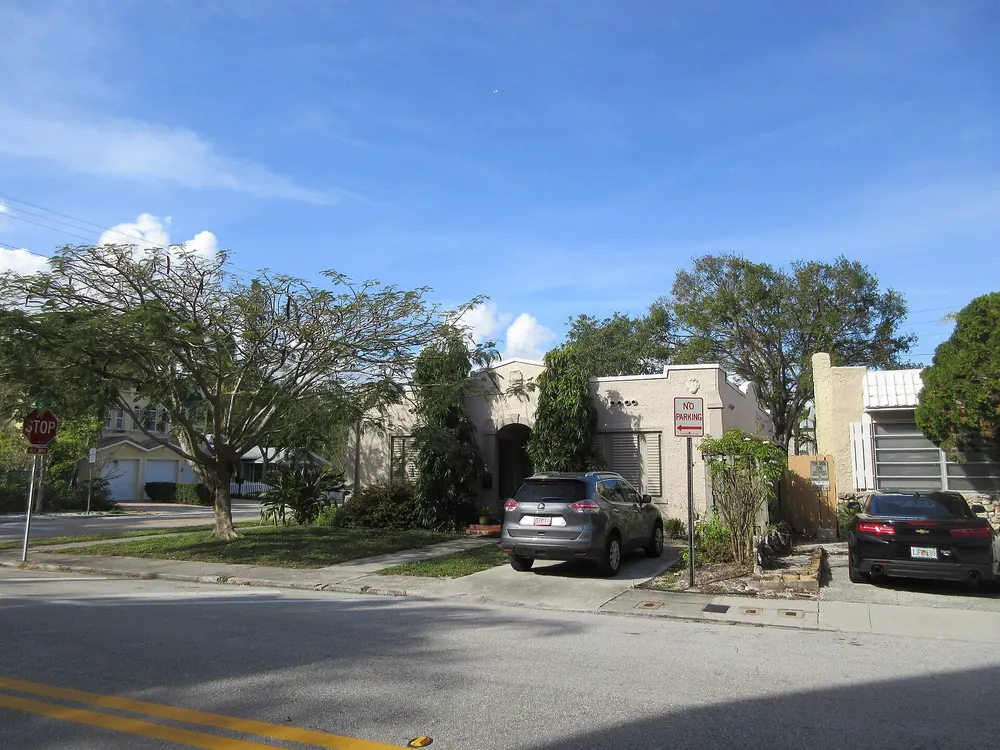
Rats come back when the job stopped at trapping. Traps catch the rats that were inside. If the openings at the roofline are still there, the trees still touch the roof and fruit is still falling in the yard, new rats find the same way in. In Fort Lauderdale, with roof rats living in trees all around the house, that can happen within weeks.
Here are the usual reasons, roughly in order of how often they come up, and what to ask for so the next visit is the last one for a long time.
The gaps never got sealed
This is the big one. UF/IFAS says rats fit through half-inch cracks. A trapping-only service or a monthly bait contract that never mentions sealing leaves every one of those open. Ask your provider for a written list of openings and what was used on each. If there isn't one, the house wasn't sealed. Rodent exclusion explains what a full job looks like.
The seal used the wrong material
Foam, caulk, plastic mesh and loose steel wool get chewed through or pulled out. UF/IFAS lists sheet metal, perforated metal, hardware cloth with quarter-inch openings, mortar and concrete for rodent-proofing. If a patch is foam, expect to see it chewed open. Steel wool vs copper mesh covers the stuffing options.
Want a technician to look at it?
Your call goes to an independent local rodent control provider in Broward County. Same-day appointments are often available.
Trees still touch the roof
Roof rats live in the canopy and walk to the roof on branches, fronds, fences and power lines. A fresh seal next to a palm frond gets tested every night. UF/IFAS advises isolating fruit trees from fences, wires and other trees. At minimum, get every limb off the roof and the pool cage.
The food is still there
UF/IFAS says sanitation has to be constant to work and that yearly cleanups are generally ineffective. A mango tree dropping fruit, a bird feeder spilling seed, pet food on the patio and a garbage cart with the lid propped open all keep rats close to the house. They'll keep testing the roofline as long as dinner is in the yard.
Rats breed all year here
UF/IFAS says roof rats in Florida breed year-round, with peaks in spring and fall, with 6 to 8 young per litter and up to 6 litters a year. There's no cold season to knock numbers down. A neighborhood population refills quickly, and the rats that leave the nest look for new homes. An open eave is an invitation.
The neighbors have them
UF/IFAS says roof rats will travel 150 yards from their den for food or water. That's several lots. If the house next door has rats in the attic, an overgrown yard or a junk pile, yours will see visitors. Fort Lauderdale code enforcement cites overgrowth, trash and nuisance outdoor storage. How to report rats in Fort Lauderdale covers it.
A storm opened new gaps
Hurricanes and summer storms crack tiles, tear soffit screen and drop limbs on roofs. A house that was sealed in spring may have three new openings by October. Walk the outside after every big storm. Rodents during hurricane season has a checklist.
Roof work or renovation
A new roof, new soffits or an addition can undo old sealing work if the crew doesn't close tile ends and vents properly. After any roof job, ask the roofer how eave closures and vents were finished, and have the roofline checked if the noise returns.
How to break the cycle
Ask for these from the start:
- A written list of every entry point and the material for each
- Trapping until the traps stay empty, with a set number of return visits
- Tree and frond trimming off the roof
- Cleanup so fresh droppings are easy to spot later
- A recheck after the first big storm
- Any warranty in writing, including what voids it
What a good recheck looks like
If rats come back, the technician should do more than reset traps. They should walk the roofline again, check every spot that was sealed for chewing or damage, look for new gaps from storms or roof work, and check the trees. They should be able to tell you whether the new activity is coming through an old opening that failed or a new one. Ask for that in writing too.
Keep the clock in mind
UF/IFAS says Norway rats mature in 3 to 5 months, and roof rats breed year-round here. A few rats left in an attic or a colony next door can rebuild numbers within a season. That's why the follow-up visits and the first-storm recheck matter as much as the first visit.
Common questions
Why do I have rats again three months after treatment?
Usually because the entry points weren't sealed, the seal used foam or loose filler, or trees still touch the roof. Ask for the list of what was sealed.
Is a monthly bait contract enough?
Not if nobody seals the openings. Bait and traps catch rats; sealing keeps new ones out.
Can rats come from my neighbor's yard?
Yes. UF/IFAS says roof rats travel 150 yards from their den for food or water.
Does a warranty mean they'll come back for free?
It depends on the provider's terms, which come from them, not this site. Read what it covers and what voids it.
Still hearing them?
Your call goes to an independent local rodent control provider in Broward County. Same-day appointments are often available.
Keep reading
Sources
- UF/IFAS Extension: Rat and Mouse Control (ENY-224)
- UF/IFAS Extension: Control of Roof Rats in Fruit Trees (SSWEC120)
- City of Fort Lauderdale: Code enforcement special magistrate agenda, July 29, 2021
General information only, not legal or medical advice. Rules change, so check the linked sources for the current version.