Rat and mouse article
Rodent Diseases in Florida: What Fort Lauderdale Homeowners Should Know
Rats and mice can spread leptospirosis, rat-bite fever and, in Florida, hantavirus through cotton rats. Most risk comes from urine, droppings and bites. Clean up wet, never dry.
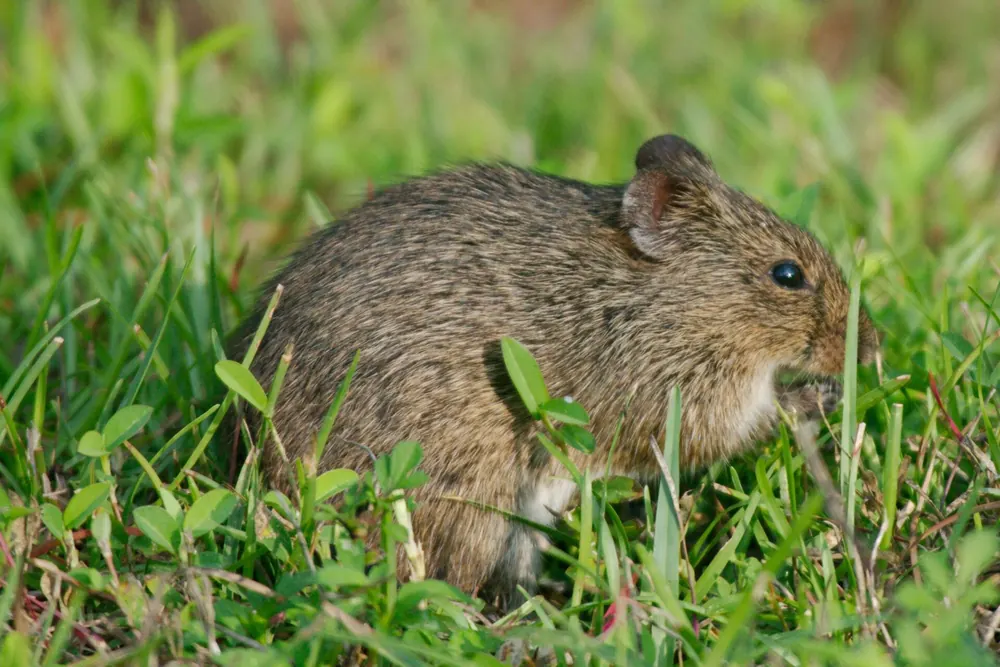
Rodents can carry several diseases that affect people. The three to know in Fort Lauderdale are leptospirosis, spread through the urine of infected animals including rats and mice; rat-bite fever, spread through bites, scratches and contact with a rodent's saliva or urine; and hantavirus, which the Florida Department of Health says has been identified in cotton rats in Florida. UF/IFAS adds that rats and mice can carry at least ten kinds of disease, including murine typhus and bacterial food poisoning.
None of this means panic. It means don't handle rodents or droppings bare-handed, don't sweep droppings dry, and see a doctor if you're bitten or get sick after contact. This is general information, not medical advice.
Leptospirosis
The CDC says the bacteria that cause leptospirosis spread through the urine of infected animals, and it lists rodents such as rats and mice among them, along with dogs, livestock and wildlife. People can get infected through contact with water or soil containing that urine, by touching body fluids from an infected animal, or by eating food or drinking water contaminated with it.
The CDC says risk is higher after hurricanes, heavy rain or flooding, which matters in Fort Lauderdale. Symptoms can include fever, aches, headache, vomiting, red eyes and rash, and it generally takes 2 to 30 days to get sick after contact. Some people have no symptoms. The CDC says it's treated with antibiotics, which should start as early as possible.
Rat-bite fever
The CDC says rat-bite fever spreads to people through scratches, bites or contact with a rodent's saliva or urine, through contaminated materials, and by eating or drinking contaminated food or drinks. It doesn't spread between people. Early symptoms can look like the flu: fever, vomiting, headache and muscle pain, usually starting 3 to 10 days after contact and up to 21 days later.
The CDC warns it must be treated quickly or it can cause severe illness and possibly death, and that antibiotics can cure it when started soon after you get sick. If a rat or mouse bites or scratches you, wash the wound and call a doctor. Then deal with the animal: emergency rodent removal covers a rodent loose in the house.
Want a technician to look at it?
Your call goes to an independent local rodent control provider in Broward County. Same-day appointments are often available.
Hantavirus in Florida
The Florida Department of Health says hantavirus has been identified in cotton rats in Florida, and that most human cases have occurred in the western U.S. People get infected mainly by breathing in particles from rodent urine, droppings or saliva, and less often by touching contaminated surfaces and then their face, through bites or through contaminated food. Symptoms appear after an incubation of 1 to 3 weeks, starting with fever, muscle aches and fatigue, then cough and shortness of breath after about 4 to 10 days.
Cotton rats live in tall grass, fields and overgrown lots, so the risk is highest cleaning a shed, barn or garage next to open land. Florida DOH advises good ventilation, avoiding sweeping or vacuuming, wearing gloves and soaking droppings, urine and nests with disinfectant before cleaning. The species guide shows how to tell a cotton rat from other rodents.
Other diseases
UF/IFAS's rat and mouse publication says rodents can carry at least ten kinds of diseases, and names bubonic plague, murine typhus, spirochetal jaundice, leptospirosis, rabies, rat-bite fever and bacterial food poisoning. Food poisoning is the everyday risk: rodents walking over counters and through pantries. Throw out chewed or contaminated food. Rat vs mouse droppings helps you tell which rodent you're cleaning up after.
How to clean up safely
The CDC's cleanup steps:
- Open doors and windows for 30 minutes and leave the area while it airs out
- Wear rubber or plastic gloves
- Spray droppings, urine and nests with disinfectant or a fresh 1 to 9 bleach solution
- Let it soak for 5 minutes or as the label directs
- Wipe up with paper towels and throw them away
- Double-bag dead rodents and nests with used traps, and put the bag in a covered trash can
- Wash gloved hands, remove gloves, then wash hands with soap and warm water
Pets
The CDC lists dogs among the animals that can carry leptospirosis. Dogs drink from puddles and canals and sniff around where rats travel. Ask your veterinarian about it, especially if you live on the water. Keep pet food and water bowls inside overnight so they don't draw rats.
Lowering the risk at home
Get rodents out of the living space and keep them out. That means trapping, sealing and taking away food. Wet-clean droppings. Wear gloves for yard work in areas where rats run, especially after floods. If you have a heavy infestation in the attic or a shed, consider droppings cleanup and sanitizing or attic cleanup done by a crew with respirators and protective gear.
Common questions
Can you get sick from mouse droppings?
Rodent droppings and urine can carry disease. The CDC and Florida DOH both say to wet them with disinfectant and wipe them up, never sweep or vacuum.
Is there hantavirus in Florida?
Florida DOH says hantavirus has been identified in cotton rats in Florida, though most human cases have been in the western U.S.
What should I do if a rat bites me?
Wash the wound and call a doctor. The CDC says rat-bite fever must be treated quickly and responds to antibiotics started early.
Is leptospirosis a risk after hurricanes?
The CDC says risk is higher after hurricanes, heavy rain or flooding, since the bacteria spread through animal urine in water and soil.
Still hearing them?
Your call goes to an independent local rodent control provider in Broward County. Same-day appointments are often available.
Keep reading
Sources
- CDC: About leptospirosis
- CDC: Signs and symptoms of rat-bite fever
- Florida Department of Health: Hantavirus pulmonary syndrome
- CDC: How to clean up after rodents
- UF/IFAS Extension: Rat and Mouse Control (ENY-224)
General information only, not legal or medical advice. Rules change, so check the linked sources for the current version.