Rat and mouse article
How Rodent Exclusion Works on a Fort Lauderdale House
Exclusion closes every opening a rat or mouse can use. Here's the usual order of work on a Broward house, the materials that hold up, and what to watch for afterward.
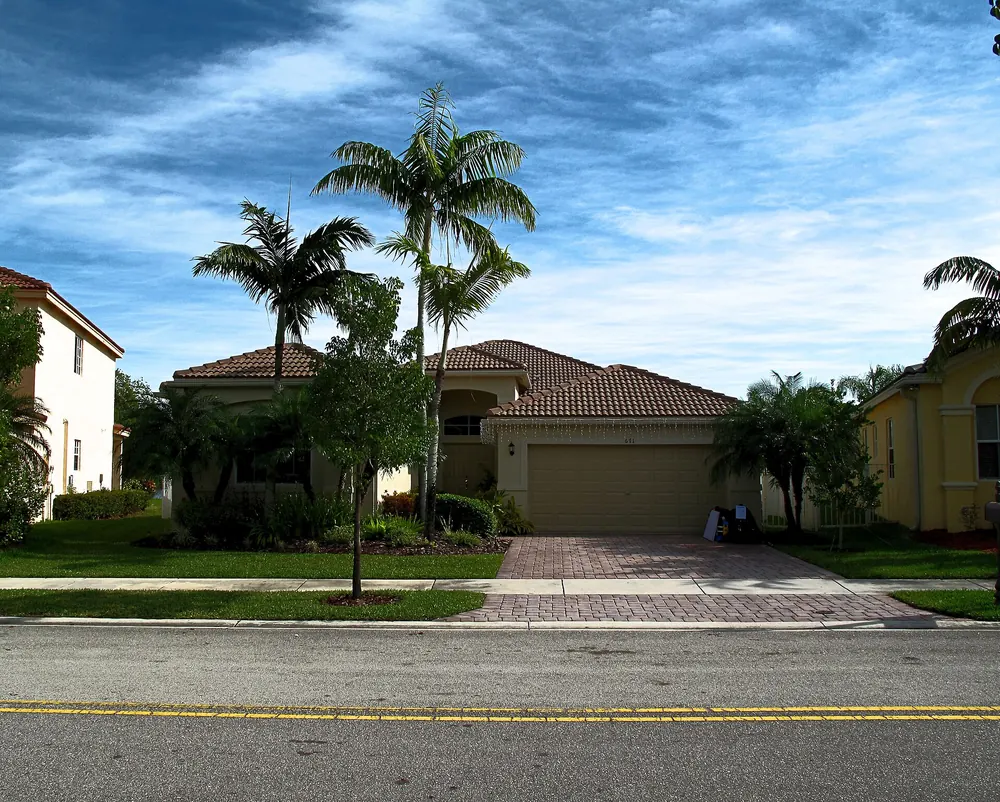
Exclusion means closing every opening a rat or mouse can use to get into a building. It's the step that keeps the problem from coming back after trapping. UF/IFAS sets the targets: rats squeeze through cracks half an inch wide, mice through a quarter inch, so every gap that size or bigger has to be closed with something they can't chew.
Here's how a typical job runs on a Fort Lauderdale house, from the first inspection to the checks afterward.
Step 1: inspection
The technician walks the outside looking up at the roof and the trees, then down at the base of the walls. They go into the attic to find droppings, runways and nests, and to spot daylight coming through gaps. On a canal lot they walk the seawall too. You should get a list of every opening they plan to close. See rodent inspection.
Step 2: trapping
Traps go in the attic and anywhere else rodents are active, along the runways. UF/IFAS says rats are cautious and it may be a week before they approach a trap, while mice usually check traps the first night. So a quiet first few days in a roof rat job is normal.
Want a technician to look at it?
Your call goes to an independent local rodent control provider in Broward County. Same-day appointments are often available.
Step 3: closing the openings
Openings get closed with materials rats can't chew through. UF/IFAS lists sheet metal of 26 gauge or heavier, perforated metal of 24 gauge or heavier with openings no larger than a quarter inch, hardware cloth of 19 gauge or heavier with openings no larger than a quarter inch, brick with mortared joints, cement mortar and concrete. On tile roofs, that often means closing the open tile ends along the eave. Soffit and gable vents get metal screen. Pipe and AC line holes get packed and sealed.
Some providers leave one or two main openings open with traps nearby until the rats are out, then close those last. Others seal and trap at the same time. Ask how yours will make sure no rat is sealed inside.
- Tile eave closures and ridge gaps
- Soffit, gable and roof vents
- Plumbing vents and pipe penetrations
- AC line holes and dryer vents
- Garage door bottom and side seals
Step 4: trees and the yard
Cut back limbs and palm fronds so they don't touch or hang over the roof. UF/IFAS advises keeping fruit trees isolated, not touching fences, wires or other trees. Pick ripe fruit and clear the drops. Store pet food and bird seed in sealed containers. A sealed roof with a mango limb lying on it gets tested every night. See palms, fruit trees and roof rats.
Step 5: checking it holds
Rats left outside will test every seam, so check often in the first weeks after sealing. Listen at night. Look for fresh droppings in the attic or garage, new gnawing at the sealed spots, and burrows at the slab edge. If you hear noise again, call the provider back right away rather than waiting.
After every big storm, walk the outside and look at the roofline for cracked tiles, torn screen and branches on the roof. Rodents during hurricane season has a checklist.
What makes sealing hard in Fort Lauderdale
UF/IFAS says roof rats are such good climbers and swimmers that it's hard to exclude them completely. Broward gives them every advantage: trees touching roofs, utility lines on every block, and tile roofs with an open curve at each eave end unless someone closed it. Many houses have had additions, which leave a seam where a newer roof meets an older one. Salt air near the beach and the Intracoastal rusts cheap screen. And hurricane season reopens gaps every year.
None of that makes exclusion pointless. It means the job has to be thorough and checked after storms.
What to avoid
Expanding foam alone won't stop a rat, since they chew through it. Steel wool on its own rusts and can be pulled out. Plastic mesh and window screen don't hold. Sealing before trapping is done can trap a rat inside to die. Steel wool vs copper mesh compares the stuffing materials people reach for first.
Questions to ask your provider
Before work starts, ask how many openings they found and what material goes on each one, whether they'll trap at the same time, how they'll make sure nothing gets sealed inside, how many return visits are included, and whether any warranty comes with the work and what voids it. Get the answers in writing.
Common questions
Can a rat get sealed inside?
It happens if openings are closed before trapping is finished. Ask the provider how they prevent it and what they'll do if it happens.
What size gap needs sealing?
UF/IFAS says rats fit through half-inch cracks and mice through quarter-inch cracks. Anything that size or bigger.
Is spray foam enough?
No. Rats chew through it. It can fill space behind metal or mesh but won't stop them on its own.
How long does sealing last?
Metal and mortar last for years, but storms, roof work and trees growing back can open new gaps. Check after big storms.
Still hearing them?
Your call goes to an independent local rodent control provider in Broward County. Same-day appointments are often available.
Keep reading
Sources
- UF/IFAS Extension: Rat and Mouse Control (ENY-224)
- UF/IFAS Extension: Control of Roof Rats in Fruit Trees (SSWEC120)
General information only, not legal or medical advice. Rules change, so check the linked sources for the current version.