Rat and mouse article
How Small a Hole Can a Mouse or Rat Fit Through?
A quarter inch for mice and half an inch for rats, according to UF/IFAS. The pencil test finds them. Here's where those gaps are on Broward houses and what closes them.
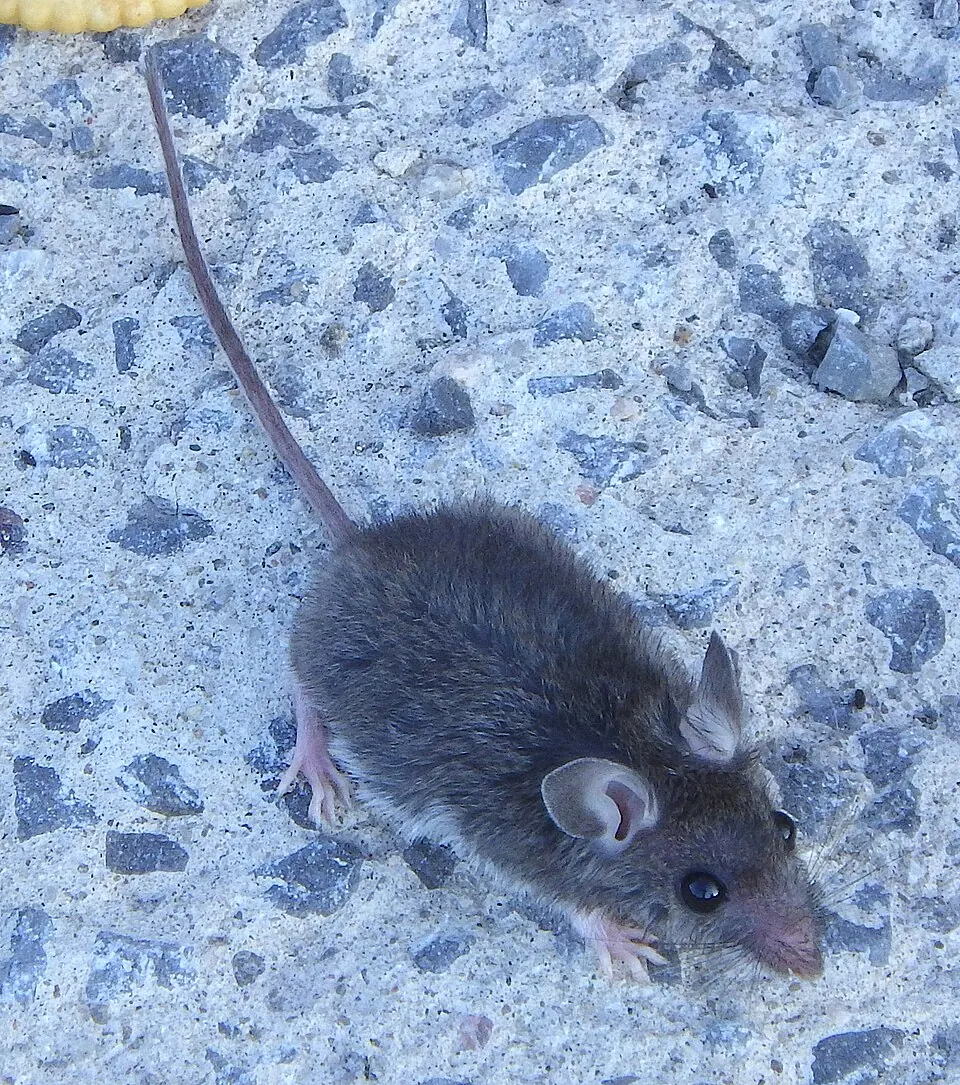
Smaller than most people think. UF/IFAS says rats can squeeze through cracks half an inch wide and mice through cracks a quarter inch wide. Its rule of thumb: any place a pencil can be poked, a mouse can go.
A half-inch gap is about the width of your little finger. On a typical Fort Lauderdale house there are dozens of openings that size, most of them up at the roofline. Here's where to look and what closes them for good.
The pencil test
Take a pencil around the house. Anywhere it slides into a gap, a mouse can get through. For rats, use a finger-width gauge, about half an inch. Check from the outside and from inside the attic, where daylight shining through the roof edge shows you openings you'd miss from the ground.
Where the gaps are on Broward houses
The same spots come up on house after house here:
- Open curved ends of barrel tile at the eaves and ridge
- Torn or rusted soffit screens and loose soffit panels
- Gable vents and roof vents with cracked covers
- Gaps where a newer addition's roof meets the original
- The hole where the AC refrigerant line enters the wall
- Pipes coming through the slab under sinks
- The bottom corners of the garage door and a worn bottom seal
- Dryer vents with missing flaps
- Old window AC openings patched with wood
Want a technician to look at it?
Your call goes to an independent local rodent control provider in Broward County. Same-day appointments are often available.
Why the size matters for sealing
Because a quarter inch is enough for a mouse, the material you use has to have openings smaller than that. UF/IFAS specifies hardware cloth of 19 gauge or heavier with openings no larger than a quarter inch, and perforated metal of 24 gauge or heavier with the same limit. Standard window screen and plastic mesh are too weak. Chicken wire's openings are too big.
Materials that hold
UF/IFAS lists these for rodent-proofing:
- Sheet metal, 26 gauge or heavier
- Perforated metal, 24 gauge or heavier, openings no more than 1/4 inch
- Hardware cloth, 19 gauge or heavier, openings no more than 1/4 inch
- Brick with mortared joints
- Cement mortar or concrete
What doesn't hold
Spray foam, caulk alone, wood and plastic get chewed through. Steel wool stuffed into a hole can be pulled out and rusts in Florida humidity. Many providers pack mesh into a gap and cover it with mortar or sealant so it can't be pulled. Steel wool vs copper mesh compares the two.
Don't seal them in
If rats or mice are already inside, sealing every opening at once can trap them in the walls or attic to die. Trap first, or seal while trapping and leave the main entry for last. A provider will plan the order. Rodent exclusion explains how.
Condos and shared walls
In a condo or apartment, the gaps that matter most are inside your unit: where pipes come through the wall under the kitchen and bathroom sinks, behind the stove and dishwasher, and around the washer hookups. Those connect to shared chases. Sealing them with hardware cloth and sealant closes your unit even if the building has mice. See condo and apartment rodent work.
Check from inside the attic
The easiest way to find roofline gaps is from the inside on a sunny day. Go up with a flashlight, turn it off once you're in, and look along the eaves and the ridge for daylight. Every spot of light big enough to see is a candidate. Also look for droppings and grease marks around them, which tell you which ones rats are using. Be careful up there: attics here get very hot by midday, and you should only step on framing.
Gaps change over time
A house that was tight five years ago may not be today. Storms crack tiles and tear screens. Soffit panels sag. A plumber cuts a bigger hole than the new pipe needs. An AC replacement leaves the old line hole open around a smaller new line. Cable and internet installers drill through walls. After any work on the house, check the spots that were touched, and walk the roofline after every big storm.
Doors, screens and weep holes
Low on the house, check exterior doors for a gap at the threshold, especially side doors into the garage. Sliding glass doors with worn sweeps and screen doors with torn corners let mice walk in. Block walls sometimes have weep holes or small vents near the ground. Those can be covered with fine metal mesh that still lets water drain.
Common questions
How small a hole can a mouse get through?
UF/IFAS says a quarter inch. Any place a pencil can be poked, a mouse can go.
How small a hole can a rat get through?
UF/IFAS says rats can squeeze through cracks half an inch wide.
Is window screen enough to keep rats out of a vent?
No. Use hardware cloth of 19 gauge or heavier with openings no larger than a quarter inch.
Will caulk stop mice?
Not on its own. Mice chew through it. Use metal or mortar, with sealant on top if you like.
Still hearing them?
Your call goes to an independent local rodent control provider in Broward County. Same-day appointments are often available.
Keep reading
Sources
- UF/IFAS Extension: Rat and Mouse Control (ENY-224)
- UF/IFAS Extension: Control of Roof Rats in Fruit Trees (SSWEC120)
General information only, not legal or medical advice. Rules change, so check the linked sources for the current version.