Rat and mouse article
Rats and Mice in Your Car Engine
Rodents nest in engine bays and air filter boxes, and chew wiring, especially in cars that sit. Here are the signs, what to do, and how to stop it at the garage and the driveway.
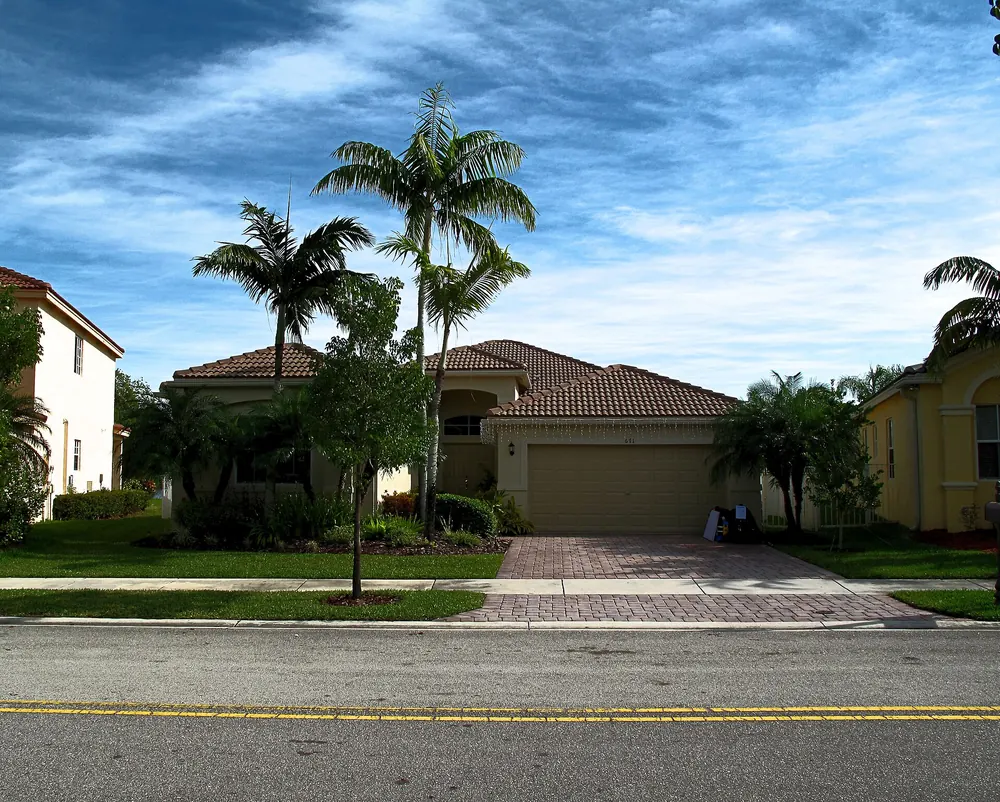
Rats and mice nest in car engine bays because they're warm, sheltered and full of soft material. They chew wiring and hoses because rodents gnaw constantly. Cars that sit for weeks are the usual victims, which in Fort Lauderdale means snowbird cars, second cars, boat tow vehicles and anything parked under a mango tree.
The fix has two parts: get the car checked and cleaned, then deal with the rodents in the garage or yard that found it.
Signs rodents are in your car
Pop the hood if you see any of these:
- Droppings on the engine cover, battery or under the hood insulation
- Leaves, shredded paper or insulation packed into corners or the air filter box
- Chewed wires, hoses or hood insulation
- A musty smell from the vents when the fan runs
- Warning lights or electrical problems after the car sat
- Droppings on the garage floor near the car
What to do first
Have a mechanic look at any chewed wiring before you take the car out. Nests in the air filter box or cabin air intake should come out and the filters replaced. Use the CDC's cleanup method for droppings and nest material: air the area out, wear gloves, soak with disinfectant for 5 minutes, then wipe and bag. Don't blow droppings out with compressed air. A heavy mess in the garage is a job for droppings cleanup and sanitizing.
Call your insurance company. Some comprehensive policies cover rodent damage to vehicles and some don't.
Want a technician to look at it?
Your call goes to an independent local rodent control provider in Broward County. Same-day appointments are often available.
Why cars attract rodents
An engine bay that's been sitting is quiet and covered. The hood insulation and filter boxes make good nest material. Cars parked in a garage with pet food, bird seed or garbage nearby are close to food. Cars parked under fruit trees or palms in the driveway are close to roof rats. A car that's used every day is less inviting, since the heat and noise move rodents along.
Fix the garage
Most car problems start with rodents in the garage. Close the gap at the bottom of the garage door with a new seal, and check the corners for daylight. UF/IFAS says mice can get through quarter-inch cracks. Move pet food, seed and grass seed into metal cans. Get boxes off the floor. Set snap traps along the garage walls, since rodents run along edges. Best rat traps covers placement. Garage rodent control covers what a technician checks.
Fix the driveway
If the car lives outside, look at what's above and beside it. Fruit trees and palms overhead mean roof rats nearby. Pick fruit, trim limbs and, if you can, park away from the canopy. Palms, fruit trees and roof rats explains why the trees matter. Keep the area around the car clear of debris and garbage carts. A rat that finds food in your yard will find shelter in your car.
Before you leave for the summer
If your car will sit for months while you're away, clear all food out of the car and the garage, close the garage, and ask a provider about traps along the garage walls. Some owners leave the hood up for airflow and light, which makes the bay less sheltered. Have someone check the car and garage floor for droppings while you're gone.
What not to do
Don't put rodent bait in or around the car. A poisoned rat can die inside the vehicle, in a vent or under the dash, and the smell in a closed car in Florida heat is hard to get rid of. UF/IFAS says any outdoor bait has to go in a tamper-resistant station placed where kids, pets and wildlife can't reach it. Traps and sealing are the better tools here.
Boats, trailers and golf carts
The same goes for anything that sits. Boats on trailers in the side yard, golf carts in the garage and RVs under carports all give rodents covered space with wiring to chew. Keep boats covered tightly and clean out bait and snacks after each trip. Check battery compartments and wiring before using anything that sat for a while. If you keep a boat at a dock, rats can climb lines, so keep hatches closed.
Signs at the mechanic
Mechanics in South Florida see rodent damage often enough that it's worth asking directly. If a car comes in with an electrical fault after sitting, ask them to look for chewed wiring and nesting under the hood and in the air intake. Ask for photos of what they find. That record helps with an insurance claim and tells you whether to look harder at the garage.
Common questions
Why do rats chew car wires?
Rodents gnaw constantly, and wiring and hoses are within reach in a sheltered engine bay. Cars that sit are hit hardest.
Does car insurance cover rodent damage?
Some comprehensive policies do and some don't. Ask your insurer.
How do I keep rats out of my car?
Seal the garage door, remove food from the garage, trap along the walls, and use the car regularly if you can.
Can mice get into the cabin?
Yes, often through the fresh air intake below the windshield. A musty smell from the vents or droppings in the footwells are signs. Have the cabin air filter and intake checked.
Should I put poison near my car?
No. A rat can die inside the vehicle. Use traps along garage walls and seal the gaps instead.
Still hearing them?
Your call goes to an independent local rodent control provider in Broward County. Same-day appointments are often available.
Keep reading
Sources
- UF/IFAS Extension: Rat and Mouse Control (ENY-224)
- UF/IFAS Extension: Control of Roof Rats in Fruit Trees (SSWEC120)
- CDC: How to clean up after rodents
General information only, not legal or medical advice. Rules change, so check the linked sources for the current version.